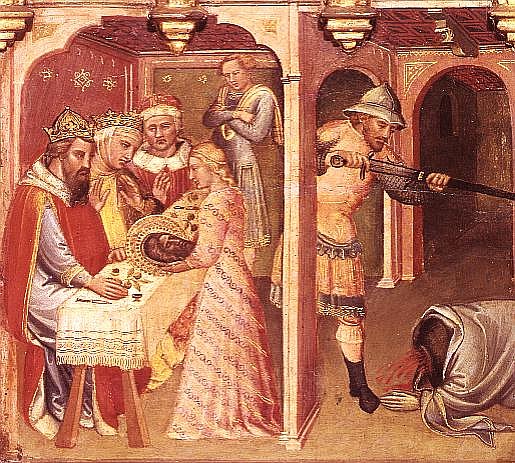
+ William Owen Chadwick, historian and priest, born 20 May 1916; died 17 July 2015 +
It would be hard to call yourself well read or even poorly read in the area of church history without encountering the name of Owen Chadwick or his brother Henry. They were men whose written contributions will long stand as testament to their interest, scholarship, passion, and erudition. I will admit to being partial to them both and very indebted to their monumental task in the History of Christian Church series. It is always important to remember those who have served us with a witness of words and I take the time to remember before the Lord His servant William Owen Chadwick.
It is said of him that he was not a particularly good teacher but a great fellow. I would not think poorly of him if that were true. But what I recall of his writing style is the crisp style of his prose that read like a conversation. Long ago when I was ordained and began the priestly task of preaching the Word of the Lord to His people, I found myself drawn to writing manuscripts that read like they were preached (as opposed to sermons that preach like they were manuscripts). It is not a bad thing when preachers write and preach with the same immediate and vivid character and with an economy of words that fully maximizes their weight instead of minimizing their number. That is my goal.
I was once accused of being a wordsmith. I protest vehemently the charge. I love words not for the words but for the way they speak. When I write I am conscious of the way the words sound when they are read out loud. Perhaps reading such authors as Owen Chadwick has encouraged me in this regard but I refuse to blame anyone for my own particularity. Yet I cannot but wonder if such is not missing in today's writing and preaching. Have we lost our sense of how things sound as well as how they read and what they say?
People call Ronald Reagan the great communicator. He was a good reader and delivered a great speech but I am not at all sure how many of the words were his own (he is certainly not alone in this). Some say that Barak Obama is a great speaker. I must confess that I find it hard to listen to him (and not because I disagree with his ideas). JFK, RFK, and Teddy Kennedy all enjoyed a gift of words (both in their writing and in their delivery). I remain transfixed by some of their lines both crafted and spoken. Perhaps they, too, benefited from a good ghost writer and editor. I cannot say. But I fear we have lost something in the character of both the written and spoken word. Sure, there are shining stars still but they are fewer and they tend to stand out less than our penchant for bare vocabulary of texting and twitter. And that is sad. No, it is worse. It is a plague upon us and our most important task of understanding and being understood, of inspiring and being inspired.
Here is my nod to Owen Chadwick and those who with him wrote clearly and yet poignantly, with an economy of well chosen words, that read like the voice speaks. I wish I were one of them and still aspire in that direction. Time will tell if I have come close.
Wednesday, July 22, 2015
We have no doctrine vs we have no liturgy. . .
Reading an Anglican blog, I came across the following:
. . .the Church of England was really the Catholic Church of this land, just 'with it's face washed'. We were truly Catholic; had not the Archbishop said that “The Church of England has no Doctrine of its own,only the Doctrine of the Catholic Church”? (And that Archbishop was Fisher, the headmasterly pontiff who was no friend of Anglo-Catholicism.)
In that one quote is summed up both the strength and the weakness of the Church of England. The strength is that the self-identification of the CoE has always been its insistence that it was simply the Catholic Church of this land. Kings and queens may change and archbishops come and go but the CoE was the once forever church located in that specific place and nothing less. On the basis of this identity alone the CoE has survived over the ages. It is more than anything else a liturgical claim and has been largely understood in this way.
At the same time, however, the weakness is that the Church of England has no doctrine of its own. For too long and for too many that is exactly how it has been. While the liturgy anchored the CoE in catholic identity (and ceremony, who can do ceremony better than the English!), there was no doctrinal confession or stance to hold up the other end of it all. So the CoE has had its self-identity betrayed with bishops who stopped believing or were more interested in the cocktail circuit than the pulpit and teachers who too easily traversed the fringe of Christianity to explore pagan ideas and proclaim them Christian. In the midst of it all, it was wagged by the government and those who saw the CoE as a spiritual twin to the cultural agnosticism that was changing the values of the nation and commonwealth. It did not help that the daughter churches of the CoE had also long abdicated Catholic Doctrine from their confession and witness.
All of which reminds me of how Lutheranism is just the opposite. Lutherans have preserved catholic doctrine (read the conclusion to the Augustana for our use of this phrase) fairly well -- at least on paper. But catholic practice has been chaotic and uneven among Lutherans for a long time. At least in America we had reached a rather high point when the Common Service (1888) was settled upon as the liturgical face of Lutheranism but it did not last. In official hymnal and unofficial parish practice we held to a catholic Lutheranism in theory but without a liturgical practice to mirror what we believed, confessed, and taught.
Furthermore, though the CoE always was a wannabe when it came to being Catholic, Lutherans grew to be more and more hesitant of things catholic as well as things Catholic. We forgot our positive affirmation and became in popular form identified more by what we were not than what we were. Though we claimed in our Confessions to be catholic to the core in doctrine and practice, we wished to be identified with nothing that might mistake us for the Catholics of the Roman kind.
It only proves that the key to sustaining catholicity lies not in choosing doctrinal integrity against liturgical practice or the other way around. We must have both. We need both. We need a vigorous and robust self-understanding of who we are based not upon the opinion of one or even a majority but upon the Confessions that bind us to time and history as well as to one another. But we also need a liturgical practice which does not shy away from this catholic confession and one which upholds on Sunday morning what we say we believe, confess, and teach.
We have seen it happen over and over again when a church chooses form over content or content over form that it is a short journey to losing both. The CoE, no matter its self-understanding, has become an empty shell of a church (and all its daughters, except perhaps those in Africa). It does not desire to be Catholic in doctrine anymore and its liturgical unity has been shattered both by the lack of theological substance in its preaching and teaching as well as a ceremonial which has become mere ritual that mirrors nothing in the realm of faith and teaching. Lutherans of the ELCA stripe are often following the same path - keeping better than conservatives the liturgical framework of Sunday morning but without believing its words (especially in terms of the creeds). Lutherans of the Missouri stripe are on a divergent path in which liturgical diversity that contradicts our Confession is allowed on Sunday morning in the mistaken belief that our unity is preserved by common confession in theory (or on paper). In the end we cannot choose between confession and liturgy, we must have both -- both to witness our faith to others and both to secure our own selves in this faith from one generation to another.
The great Swede Bo Giertz saw this and produced a marvelous little pamphlet entitled Liturgy and Spiritual Awakening. I urge Lutherans to read it (and those not Lutheran as well!).
. . .the Church of England was really the Catholic Church of this land, just 'with it's face washed'. We were truly Catholic; had not the Archbishop said that “The Church of England has no Doctrine of its own,only the Doctrine of the Catholic Church”? (And that Archbishop was Fisher, the headmasterly pontiff who was no friend of Anglo-Catholicism.)
In that one quote is summed up both the strength and the weakness of the Church of England. The strength is that the self-identification of the CoE has always been its insistence that it was simply the Catholic Church of this land. Kings and queens may change and archbishops come and go but the CoE was the once forever church located in that specific place and nothing less. On the basis of this identity alone the CoE has survived over the ages. It is more than anything else a liturgical claim and has been largely understood in this way.
At the same time, however, the weakness is that the Church of England has no doctrine of its own. For too long and for too many that is exactly how it has been. While the liturgy anchored the CoE in catholic identity (and ceremony, who can do ceremony better than the English!), there was no doctrinal confession or stance to hold up the other end of it all. So the CoE has had its self-identity betrayed with bishops who stopped believing or were more interested in the cocktail circuit than the pulpit and teachers who too easily traversed the fringe of Christianity to explore pagan ideas and proclaim them Christian. In the midst of it all, it was wagged by the government and those who saw the CoE as a spiritual twin to the cultural agnosticism that was changing the values of the nation and commonwealth. It did not help that the daughter churches of the CoE had also long abdicated Catholic Doctrine from their confession and witness.
All of which reminds me of how Lutheranism is just the opposite. Lutherans have preserved catholic doctrine (read the conclusion to the Augustana for our use of this phrase) fairly well -- at least on paper. But catholic practice has been chaotic and uneven among Lutherans for a long time. At least in America we had reached a rather high point when the Common Service (1888) was settled upon as the liturgical face of Lutheranism but it did not last. In official hymnal and unofficial parish practice we held to a catholic Lutheranism in theory but without a liturgical practice to mirror what we believed, confessed, and taught.
Furthermore, though the CoE always was a wannabe when it came to being Catholic, Lutherans grew to be more and more hesitant of things catholic as well as things Catholic. We forgot our positive affirmation and became in popular form identified more by what we were not than what we were. Though we claimed in our Confessions to be catholic to the core in doctrine and practice, we wished to be identified with nothing that might mistake us for the Catholics of the Roman kind.
It only proves that the key to sustaining catholicity lies not in choosing doctrinal integrity against liturgical practice or the other way around. We must have both. We need both. We need a vigorous and robust self-understanding of who we are based not upon the opinion of one or even a majority but upon the Confessions that bind us to time and history as well as to one another. But we also need a liturgical practice which does not shy away from this catholic confession and one which upholds on Sunday morning what we say we believe, confess, and teach.
We have seen it happen over and over again when a church chooses form over content or content over form that it is a short journey to losing both. The CoE, no matter its self-understanding, has become an empty shell of a church (and all its daughters, except perhaps those in Africa). It does not desire to be Catholic in doctrine anymore and its liturgical unity has been shattered both by the lack of theological substance in its preaching and teaching as well as a ceremonial which has become mere ritual that mirrors nothing in the realm of faith and teaching. Lutherans of the ELCA stripe are often following the same path - keeping better than conservatives the liturgical framework of Sunday morning but without believing its words (especially in terms of the creeds). Lutherans of the Missouri stripe are on a divergent path in which liturgical diversity that contradicts our Confession is allowed on Sunday morning in the mistaken belief that our unity is preserved by common confession in theory (or on paper). In the end we cannot choose between confession and liturgy, we must have both -- both to witness our faith to others and both to secure our own selves in this faith from one generation to another.
The great Swede Bo Giertz saw this and produced a marvelous little pamphlet entitled Liturgy and Spiritual Awakening. I urge Lutherans to read it (and those not Lutheran as well!).
Tuesday, July 21, 2015
Denver gets a surprise
At a time when Lutherans are distancing Confirmation and First Communion in higher numbers than ever before, we find at least one Roman Catholic pushing back to the traditional order of First Communion at the same time as or after Confirmation. This is more than interesting but also is a bold move because some Lutherans are toying at or have adopted early communion for infants and toddlers in a parallel to Orthodox practice. While this has less affected the LCMS, the ELCA has found growing numbers of pastors pushing parishes into the earliest of early communion practices. Since Lutherans get a cough as soon as Rome gets a cold, what might this move, if it is adopted by other dioceses, mean for us? Time will tell. . .
In an unprecedented change for an archdiocese, Archbishop Samuel J. Aquila of Denver announced that the Sacraments of Initiation – Baptism, Confirmation and First Communion – will be restored to their original order.
“In an increasingly secular world, the reality is this: the souls of our children are the battleground. As the shepherd of the Archdiocese of Denver, I must do everything I can to help those who form children win that battle,” he explained in his pastoral letter “Saints Among Us” released May 23.
“The world needs saints. Even as our society becomes more distant from faith and more forgetful of God, it still hungers for joyful witnesses who have been transformed by Christ,” he explained. “At the same time, new generations of Catholics need grace to sustain them in a non-Christian environment.”
In response to those needs, Archbishop Aquila said he’s chosen to restore the sacraments to the original order.
While the majority of dioceses and archdioceses have children baptized in infancy, receive the First Communion in first or second grade and Confirmation sometime in middle or high school, the original order placed Confirmation and First Communion in the same ceremony.
“This will make available every sacramental grace the Church has to offer to children who have reached the age of reason,” he explained.
When he made the change in his then-Diocese of Fargo in 2002, he said he was convinced by the “theological and pastoral reasons” that it was the right decision, but the feedback from parents after it was implemented further confirmed the change.
In his pastoral letter, Archbishop Aquila detailed a five year plan that will help parishes in Northern Colorado implement the changes by 2020.
It is his hope that after the change, Confirmation will no longer be the “sacrament of farewell” and Pope Francis regretfully called it, but rather “a profound encounter with each person of the Holy Trinity.”
In an unprecedented change for an archdiocese, Archbishop Samuel J. Aquila of Denver announced that the Sacraments of Initiation – Baptism, Confirmation and First Communion – will be restored to their original order.
“In an increasingly secular world, the reality is this: the souls of our children are the battleground. As the shepherd of the Archdiocese of Denver, I must do everything I can to help those who form children win that battle,” he explained in his pastoral letter “Saints Among Us” released May 23.
“The world needs saints. Even as our society becomes more distant from faith and more forgetful of God, it still hungers for joyful witnesses who have been transformed by Christ,” he explained. “At the same time, new generations of Catholics need grace to sustain them in a non-Christian environment.”
In response to those needs, Archbishop Aquila said he’s chosen to restore the sacraments to the original order.
While the majority of dioceses and archdioceses have children baptized in infancy, receive the First Communion in first or second grade and Confirmation sometime in middle or high school, the original order placed Confirmation and First Communion in the same ceremony.
“This will make available every sacramental grace the Church has to offer to children who have reached the age of reason,” he explained.
When he made the change in his then-Diocese of Fargo in 2002, he said he was convinced by the “theological and pastoral reasons” that it was the right decision, but the feedback from parents after it was implemented further confirmed the change.
In his pastoral letter, Archbishop Aquila detailed a five year plan that will help parishes in Northern Colorado implement the changes by 2020.
It is his hope that after the change, Confirmation will no longer be the “sacrament of farewell” and Pope Francis regretfully called it, but rather “a profound encounter with each person of the Holy Trinity.”
Monday, July 20, 2015
Good directions. . .
Passed on from a reader of this blog: Directions to those attending Mass:
“Please come to Mass early enough not to disrupt. Leave late enough not to insult. (The Mass does not end until the final blessing). Worship reverently enough not to distract. And dress modestly enough not to offend.”
The advice or direction given above should not be lost on us merely because we are Lutheran. In fact, it is advice and counsel well taken in an age when personal comfort and casualness have replaced the awe and reverence for the mystery of God whose presence among us in Word and Sacrament are on occasion of great solemnity as well as great joy. We have become a people obsessed with our wants and desires. We carry around water bottle and coffee mug like we are really in danger of suffering from dehydration or decaffeination, who dress without care or concern for the occasion, and who feel the incessant need to blab through everything from the Holy Sacrament to a concert or movie. It is not easy to hear but hear we must. Worship is the holy ground of the almighty God whose presence is not at all a casual occasion. To fail to acknowledge this is itself a spiritual problem symptomatic of our sinful condition. Perhaps it is one more sign of sinful rebellion -- the same rebellion against God that began in Eden and has been our greatest problem ever since. As the quote put it well, irreverence is a way of playing hooky and remaining present at the same time. Such is not the way of faith or the faithful.
Also included: From a letter of St. Francis of Assisi to his friars, in which he reveals his profound respect for the Holy Eucharist. He writes: “Let the entire man be seized with fear; let the whole world tremble; let heaven exult when Christ, the Son of the Living God, is on the altar in the hands of the priest. O humble sublimity! O sublime humility! That the Lord of the universe, God and Son of God, so humbles himself that for our salvation he hides himself under a morsel of bread.”
“Please come to Mass early enough not to disrupt. Leave late enough not to insult. (The Mass does not end until the final blessing). Worship reverently enough not to distract. And dress modestly enough not to offend.”
The advice or direction given above should not be lost on us merely because we are Lutheran. In fact, it is advice and counsel well taken in an age when personal comfort and casualness have replaced the awe and reverence for the mystery of God whose presence among us in Word and Sacrament are on occasion of great solemnity as well as great joy. We have become a people obsessed with our wants and desires. We carry around water bottle and coffee mug like we are really in danger of suffering from dehydration or decaffeination, who dress without care or concern for the occasion, and who feel the incessant need to blab through everything from the Holy Sacrament to a concert or movie. It is not easy to hear but hear we must. Worship is the holy ground of the almighty God whose presence is not at all a casual occasion. To fail to acknowledge this is itself a spiritual problem symptomatic of our sinful condition. Perhaps it is one more sign of sinful rebellion -- the same rebellion against God that began in Eden and has been our greatest problem ever since. As the quote put it well, irreverence is a way of playing hooky and remaining present at the same time. Such is not the way of faith or the faithful.
Also included: From a letter of St. Francis of Assisi to his friars, in which he reveals his profound respect for the Holy Eucharist. He writes: “Let the entire man be seized with fear; let the whole world tremble; let heaven exult when Christ, the Son of the Living God, is on the altar in the hands of the priest. O humble sublimity! O sublime humility! That the Lord of the universe, God and Son of God, so humbles himself that for our salvation he hides himself under a morsel of bread.”
Sunday, July 19, 2015
Rome concedes Luther was right. . .
Well. . . almost. . .
Read it here. It is surely true that “the great majority of Catholics have lived their whole lives never having directly heard preaching on the free gift of justification by faith without too many 'buts’ and 'howevers’.” Indeed many might say they don’t believe in justification by faith. With those words Christopher Howse introduces readers to a new book occasioned by the JDDJ and written by Father Father Raniero Cantalamesa, preacher to Pope Benedict XVI. You can order the book, Remember Jesus Christ, and read the sermon for yourself.
Fr Cantalamesa points out that “it was Martin Luther who rediscovered that the 'righteousness of God’ [in St Paul’s Epistle to the Romans, 3:25] does not point here to God’s punishment or, even worse, his vengeance in relationship with human beings, but means, on the contrary, the action by which God 'justifies’ people.” And you begin to think that Rome has gotten it when you find you are not so sure. "From the moment the Protestants unilaterally emphasised faith, Catholic preaching and spirituality ended up taking on, almost alone, the thankless task of recalling the necessity of good works and of a human being’s personal contribution to salvation.” I am not at all sure that it is accurate to say that Protestant preaching caused Roman Catholic preaching to focus on the necessity of good works and the personal contribution of the saved to their salvation. It would be more accurate to say that this is partially what contributed to Luther's angst and fueled his search for a gracious God. In the end, it would be fair, I believe, to say that Roman Catholic preaching has largely remained unchanged since before the Reformation and this is what people notice when they distinguish Roman and Lutheran parishes (when the ceremonial difference is not or should not necessarily be that distinct).
While it is certainly true that the great majority of Roman Catholics have lived their whole lives in the church without ever having heard a sermon on the free gift of justification by grace through faith, I wonder if it is not also true that a great many Lutherans have lived their whole lives in the church hearing only justification by grace through faith without ever being prodded or directed to manifest in their daily live the good works of Him who called them from darkness into His marvelous light?
Even confessional Lutherans seem nervous on the subject of works of mercy, good works, moral living, and seeking to be righteousness as God has declared us to be. While it might be said that much of Evangelical preaching is only concerned with good lives (not necessarily holy ones but good lives that get us what we want out of life). And it might also be said much of Roman Catholic preaching is merely encouragement to good works (at least that is what some have reported). But it might also be said that Lutherans hear only justification and are not encouraged as they should to live holy lives. Baptismal vocation is good in theory among Lutherans but not universally proclaimed from the pulpit.
Luther was right (and he was also sometimes wrong). Lutherans do not worship Luther or accept uncritically whatever he said. That said, Luther's sermons focused much more on righteous living than the sermons of those who claim his legacy. And that is a distinct problem for us today. The framework of life is sin and righteousness. While no Lutheran would ever claim good works as a contribution to salvation, they are the marks of the saved who live in but not of the world. I would hope that Roman Catholics would learn the joy of Paul's clear proclamation of justification by grace through faith. At the same time I would hope that Lutherans would hear more of living as the justified in the world. If this were to happen, it would be a distinct fruit of the dialogue between us (though I am not at all prepared to concede that JDDJ is the end of our discussion of justification).
Read it here. It is surely true that “the great majority of Catholics have lived their whole lives never having directly heard preaching on the free gift of justification by faith without too many 'buts’ and 'howevers’.” Indeed many might say they don’t believe in justification by faith. With those words Christopher Howse introduces readers to a new book occasioned by the JDDJ and written by Father Father Raniero Cantalamesa, preacher to Pope Benedict XVI. You can order the book, Remember Jesus Christ, and read the sermon for yourself.
Fr Cantalamesa points out that “it was Martin Luther who rediscovered that the 'righteousness of God’ [in St Paul’s Epistle to the Romans, 3:25] does not point here to God’s punishment or, even worse, his vengeance in relationship with human beings, but means, on the contrary, the action by which God 'justifies’ people.” And you begin to think that Rome has gotten it when you find you are not so sure. "From the moment the Protestants unilaterally emphasised faith, Catholic preaching and spirituality ended up taking on, almost alone, the thankless task of recalling the necessity of good works and of a human being’s personal contribution to salvation.” I am not at all sure that it is accurate to say that Protestant preaching caused Roman Catholic preaching to focus on the necessity of good works and the personal contribution of the saved to their salvation. It would be more accurate to say that this is partially what contributed to Luther's angst and fueled his search for a gracious God. In the end, it would be fair, I believe, to say that Roman Catholic preaching has largely remained unchanged since before the Reformation and this is what people notice when they distinguish Roman and Lutheran parishes (when the ceremonial difference is not or should not necessarily be that distinct).
While it is certainly true that the great majority of Roman Catholics have lived their whole lives in the church without ever having heard a sermon on the free gift of justification by grace through faith, I wonder if it is not also true that a great many Lutherans have lived their whole lives in the church hearing only justification by grace through faith without ever being prodded or directed to manifest in their daily live the good works of Him who called them from darkness into His marvelous light?
Even confessional Lutherans seem nervous on the subject of works of mercy, good works, moral living, and seeking to be righteousness as God has declared us to be. While it might be said that much of Evangelical preaching is only concerned with good lives (not necessarily holy ones but good lives that get us what we want out of life). And it might also be said much of Roman Catholic preaching is merely encouragement to good works (at least that is what some have reported). But it might also be said that Lutherans hear only justification and are not encouraged as they should to live holy lives. Baptismal vocation is good in theory among Lutherans but not universally proclaimed from the pulpit.
Luther was right (and he was also sometimes wrong). Lutherans do not worship Luther or accept uncritically whatever he said. That said, Luther's sermons focused much more on righteous living than the sermons of those who claim his legacy. And that is a distinct problem for us today. The framework of life is sin and righteousness. While no Lutheran would ever claim good works as a contribution to salvation, they are the marks of the saved who live in but not of the world. I would hope that Roman Catholics would learn the joy of Paul's clear proclamation of justification by grace through faith. At the same time I would hope that Lutherans would hear more of living as the justified in the world. If this were to happen, it would be a distinct fruit of the dialogue between us (though I am not at all prepared to concede that JDDJ is the end of our discussion of justification).
Saturday, July 18, 2015
The participants in the Ordination. . .
The group photo of pastors participating in the Ordination and Installation of the Rev. Daniel Ulrich as our Associate Pastor, Sunday, July 12, 2015. Left Rear: The Rev'ds Eric Phillips (Concordia, Nashville), Ken Shaw (Trinity, Gallatin), Michael Croom (Faith, Hopkinsville), Larry Peters (Senior, Grace, Clarksville), Chad Foster (Immanuel, Murray), David McMinn (Shepherd of the Hills, McMinnville), Curt Hoover (Faith, Thompson Station). Front from left: Daniel Mackey (Grace, Muncie, IN), Corey Acker (Senior, St. Paul, Paducah), Dr. Roger Paavola (President, Mid-South District LCMS), Daniel Ulrich (Associate, Grace, Clarksville), David Callies (retired President, Mid-South District LCMS), Garry Wickert (St. John, Farners Retreat, IN), Richard Woelmer (Univeristy, Bloomington, IN).
Seven loaves. . . my bread. . .
Sermon for Midweek, using Trinity 7 pericopes, preached on July 16, 2015
Seven loaves. In other words, the disciples had enough food for themselves. They did not have enough for everyone who had followed Jesus into the wilderness to hear Him preach for three days. The disciples would not have gone hungry but the people were ready to faint on the way in order to find food.
When the disciples said, “How can one feed with bread here in this desolate place” what they were really saying is they took care of themselves, it is up to the people to find food. They had packed the lunch and were ready for Jesus. But compassion cost to much to be concerned for those who had come after Jesus without thought for bread.
Jesus asks them, “How many loaves do YOU have?” In other words, our Lord insists that they do have resources. The question here is whether or not they will risk those resources. Jesus took the bread from them and the few fish and it feed the thousands with 7 large baskets of leftovers. Then he sent them away.
Now there are many things in this story. The surprise of how Jesus undoes the curse of sin which began by eating the forbidden with the food that only He could give. There are the leftovers that the disciples had to carry to remind them of their wrongful convictions that they had not enough. There is the compassion of Jesus who carries inside His own gut the ache of His people for bread that will feed and satisfy. There is the miracle of grace that multiplied the little for the many. And one that always intrigued me, the prospect of people who listened through three days of sermons and teaching without thinking of food or comfort. Where do you find such folk today?
But what I want to focus upon is a stewardship point. The disciples had enough for themselves. They were sure they did not have enough for Jesus. And that is where we meet ourselves every Sunday and Thursday before the offering plate. Note that they told Jesus what they had – perhaps because they knew it was useless to deceive Jesus who knew their hearts better than they knew themselves. But before they had a chance to give it, Jesus took it from them.
We think that tithes and offerings only have value if we want to give them to Jesus. The intent of the heart is pivotal in our stewardship thinking – all of Paul’s talk about the cheerful giver. But here Jesus took the bread and the fish. It is a good and laudable thing to surrender willingly what we think is ours to the purpose of God. But if we will not surrender it voluntarily, God will take it. He will take it not as a vengeful God who insists we are unworthy of it (which we are) but as the God who refuses to allow us to bind Him up and prevent Him from doing His work. That is the Law. You cannot hide or keep from God that which you think is yours. God knows all things and God claims all things. He will taken them if you refuse to give them.
But the miracle of grace is that He uses them in such way that you are blessed by them far more in His taking than you would be in your keeping. Either way the disciples ate.
But when Jesus took their bread, He revealed to them the grace sufficient for all our needs, the miracle grace that takes something little and makes it much more than enough, and the wondrous grace that turns ordinary bread and fish into great spiritual blessings that solidify and make steadfast weak faith and fearful hearts. The disciples did not give their bread to Jesus to get more; Jesus took what they had and taught them to trust in Him for all things and to rejoice in His mercy. They ate, too. And they had 7 baskets of leftovers – more than what they began with. So great is God’s mercy that when He takes from us, we are left blessed!
The Lord has given. The Lord has taken. Like the disciples who had 7 loaves that day, what can we say but “Blessed be the name of the Lord.” We are the wanderers upon whom God has had compassion. Or are we are the stingy who think we have by keeping but the Lord takes and multiplies our nothing into His something. We daily live in the legacy of those whose sacrifices were made not for them but for the future generations they never knew. We inherit the fruit of their labors. And we tend to take it all for granted and then react like the disciples when there is need.
Do not be afraid. We return evil for evil but not the Lord. He comes with compassion on fools in the wilderness who have forgotten they need to eat. He comes with miracle grace for fools who fear that what they have is only enough for themselves. He stretches out His arms in suffering and we bear the fruits of His healing wounds. God is good. Not better than we for we are not good. Only God. In the miracle of bread we see it. Now we must walk out this door and live it. God help us. Amen.
Seven loaves. In other words, the disciples had enough food for themselves. They did not have enough for everyone who had followed Jesus into the wilderness to hear Him preach for three days. The disciples would not have gone hungry but the people were ready to faint on the way in order to find food.
When the disciples said, “How can one feed with bread here in this desolate place” what they were really saying is they took care of themselves, it is up to the people to find food. They had packed the lunch and were ready for Jesus. But compassion cost to much to be concerned for those who had come after Jesus without thought for bread.
Jesus asks them, “How many loaves do YOU have?” In other words, our Lord insists that they do have resources. The question here is whether or not they will risk those resources. Jesus took the bread from them and the few fish and it feed the thousands with 7 large baskets of leftovers. Then he sent them away.
Now there are many things in this story. The surprise of how Jesus undoes the curse of sin which began by eating the forbidden with the food that only He could give. There are the leftovers that the disciples had to carry to remind them of their wrongful convictions that they had not enough. There is the compassion of Jesus who carries inside His own gut the ache of His people for bread that will feed and satisfy. There is the miracle of grace that multiplied the little for the many. And one that always intrigued me, the prospect of people who listened through three days of sermons and teaching without thinking of food or comfort. Where do you find such folk today?
But what I want to focus upon is a stewardship point. The disciples had enough for themselves. They were sure they did not have enough for Jesus. And that is where we meet ourselves every Sunday and Thursday before the offering plate. Note that they told Jesus what they had – perhaps because they knew it was useless to deceive Jesus who knew their hearts better than they knew themselves. But before they had a chance to give it, Jesus took it from them.
We think that tithes and offerings only have value if we want to give them to Jesus. The intent of the heart is pivotal in our stewardship thinking – all of Paul’s talk about the cheerful giver. But here Jesus took the bread and the fish. It is a good and laudable thing to surrender willingly what we think is ours to the purpose of God. But if we will not surrender it voluntarily, God will take it. He will take it not as a vengeful God who insists we are unworthy of it (which we are) but as the God who refuses to allow us to bind Him up and prevent Him from doing His work. That is the Law. You cannot hide or keep from God that which you think is yours. God knows all things and God claims all things. He will taken them if you refuse to give them.
But the miracle of grace is that He uses them in such way that you are blessed by them far more in His taking than you would be in your keeping. Either way the disciples ate.
But when Jesus took their bread, He revealed to them the grace sufficient for all our needs, the miracle grace that takes something little and makes it much more than enough, and the wondrous grace that turns ordinary bread and fish into great spiritual blessings that solidify and make steadfast weak faith and fearful hearts. The disciples did not give their bread to Jesus to get more; Jesus took what they had and taught them to trust in Him for all things and to rejoice in His mercy. They ate, too. And they had 7 baskets of leftovers – more than what they began with. So great is God’s mercy that when He takes from us, we are left blessed!
The Lord has given. The Lord has taken. Like the disciples who had 7 loaves that day, what can we say but “Blessed be the name of the Lord.” We are the wanderers upon whom God has had compassion. Or are we are the stingy who think we have by keeping but the Lord takes and multiplies our nothing into His something. We daily live in the legacy of those whose sacrifices were made not for them but for the future generations they never knew. We inherit the fruit of their labors. And we tend to take it all for granted and then react like the disciples when there is need.
Do not be afraid. We return evil for evil but not the Lord. He comes with compassion on fools in the wilderness who have forgotten they need to eat. He comes with miracle grace for fools who fear that what they have is only enough for themselves. He stretches out His arms in suffering and we bear the fruits of His healing wounds. God is good. Not better than we for we are not good. Only God. In the miracle of bread we see it. Now we must walk out this door and live it. God help us. Amen.
Youth ministry presuppositions. . .
For as long as I can remember youth ministry has been in trouble. Ups and downs have always been part and parcel of the typical church's youth ministry. This is no less true among Lutheran parishes. For the same time, we have seen a commonality of youth programing across the spectrum of denominations. This has resulted in a largely peer-dominated, parent-free
zone paradigm of youth ministry programs. In other words, the best people to lead youth programs are youth and the best teachers of youth are youth and the best folks to decide what youth ministry should be about are, well, you got it, youth!
From a theological perspective, and it is always dangerous to talk theology in the same paragraph as youth ministry -- we have long affirmed (at least in theory) that parents are the primary educators of their children and thus have the primary obligation and responsibility for their children’s faith formation. Yet the manner in which we organize youth programs is to suggest that peers are more significant teachers of the faith than the moms and dads of the kids. It is as if we operate with a methodology that undermines one of our basic theological principles -- namely that the parents are the most significant spiritual mentors, roll models, and teachers of their children.
I would posit the radical truth that the most effective youth programs in the parish take place in the home. Where mom and dad are examples of faith and faithful Christian life for their children, youth find not only instruction but pathways on which they too will journey as the baptized whose vocation is to become the people God has declared them to be. While it is certainly truth that not all, perhaps not even most youth benefit from this kind of spiritual leadership in the home, the church can and should fill the void. The void that should be filled first, however, is working with the parents within the home to take up their divinely appointed responsibilities to their children. Second, the church must take great care not to imply or infer that the spiritual leadership of the home is neither as significant or as reliable as the encouragement of their peers. Finally, the church would do well to make sure that inherent in our youth programs is not the subtle distrust or suspicion of the very adults whom God has placed in their lives of these children to lead and guide them.
Just thinking. . . and you know how dangerous that can be!
From a theological perspective, and it is always dangerous to talk theology in the same paragraph as youth ministry -- we have long affirmed (at least in theory) that parents are the primary educators of their children and thus have the primary obligation and responsibility for their children’s faith formation. Yet the manner in which we organize youth programs is to suggest that peers are more significant teachers of the faith than the moms and dads of the kids. It is as if we operate with a methodology that undermines one of our basic theological principles -- namely that the parents are the most significant spiritual mentors, roll models, and teachers of their children.
I would posit the radical truth that the most effective youth programs in the parish take place in the home. Where mom and dad are examples of faith and faithful Christian life for their children, youth find not only instruction but pathways on which they too will journey as the baptized whose vocation is to become the people God has declared them to be. While it is certainly truth that not all, perhaps not even most youth benefit from this kind of spiritual leadership in the home, the church can and should fill the void. The void that should be filled first, however, is working with the parents within the home to take up their divinely appointed responsibilities to their children. Second, the church must take great care not to imply or infer that the spiritual leadership of the home is neither as significant or as reliable as the encouragement of their peers. Finally, the church would do well to make sure that inherent in our youth programs is not the subtle distrust or suspicion of the very adults whom God has placed in their lives of these children to lead and guide them.
Just thinking. . . and you know how dangerous that can be!
Friday, July 17, 2015
The positive prophet of Red Letter Christianity. . .
Tony Campolo has been all over the new for years. He was spiritual adviser to then President Clinton. You can find him on the remnant of Schuller's empire with Bobby Schuller. You can find him on the Colbert Report and a host of other media venues. You can read him in a host of books and articles too numerous to mention here. One thing Tony Campolo is not shy about is talking about Tony Campolo.
For a long time he was pro-life and anti-gay marriage. Now Tony has changed. Change is something very much a part of Tony Campolo's life from conservative Baptist roots to evangelical media star -- mostly while teaching at several secular universities. In 2011 he began hosting the TV show Red Letter Christians, aired on JC-TV. Tony Campolo is an interesting and captivating speaker and quite persuasive when he wants to be. He was for a long time one of the few liberals to be pro-life and against same sex marriage on the progressive wing of the evangelical movement. That has changed. He is now in favor of same sex marriage.
Interestingly, his mind was not changed by Scripture or arguments from the Word of God but by his experience, his own reason, and the claims of modern science and psychology. One reason I am changing my position on this issue is that, through Peggy, I have come to know so many gay Christian couples whose relationships work in much the same way as our own,said Campolo. In other words, I love my wife and I appreciate the life we have together and it would be patently unfair to deny this same blessing to others on the basis of sexual orientation. In addition, I have seen that same sex couples have relationships that work pretty much like mine. (Tony's point of view).
Secondly, As a social scientist, I have concluded that sexual orientation is almost never a choice and I have seen how damaging it can be to try to “cure” someone from being gay. As a Christian, my responsibility is not to condemn or reject gay people, but rather to love and embrace them, and to endeavor to draw them into the fellowship of the Church. When we sing the old invitation hymn, “Just As I Am”, I want us to mean it, and I want my gay and lesbian brothers and sisters to know it is true for them too. In other words, Tony is too smart to buy the Biblical objections and too rational to accept that one order is from God and only one order. We all come to Jesus just as we are and Jesus loves us that way because He made us that way. . . according to Tony's logic.
Those are inevitably the two paths that almost everyone heads down when they change their minds about what marriage is and who it is for. I know gay people and they are basically like me and they want the same things I want and it would just be unfair and unjust to deny them what I have. The second argument is that I am a 21st century person with modern values, a scientific world view, and a certain level of sophistication and to reject same sex marriage or question it is barbaric and contrary to my elevated sense of self and my educated opinions.
What is missing here is any sense of the impact of the Fall and original sin upon the human condition as a whole. What is missing here is any sense that any of our desires could be disordered and in opposition to divine intent and Biblical revelation. What is missing here is any sense that love is strong enough to meet people in their sins but not leave them there, not approve their sins as good, and not support every disordered desire that proceeds from the sinful heart. What is missing here is any sense that marriage was ordered for more than my companionship and sexual pleasure -- that it exists primarily to fulfill the divine mandate to be fruitful and multiply and to prevent sexual sin (the first thing that sin broke was marriage and the first skewed desire was the sexual desire according to Genesis).
Recall how the old Book of Common Prayer rite succinctly defined the purposes of marriage:
First, It was ordained for the procreation of children, to be brought up in the fear and nurture of the Lord, and to the praise of his holy Name.
Secondly, It was ordained for a remedy against sin, and to avoid fornication; that such persons as have not the gift of continency might marry, and keep themselves undefiled members of Christ's body.
Thirdly, It was ordained for the mutual society, help, and comfort, that the one ought to have of the other, both in prosperity and adversity. Into which holy estate these two persons present come now to be joined. Therefore if any man can shew any just cause, why they may not lawfully be joined together, let him now speak, or else hereafter for ever hold his peace.
If our experiences and our reason are the primary drivers of our opinions, Tony is but the first of many who will end up wondering why anyone could or should be denied their right to pleasure with whomever they desire and to fulfill their want for companionship with whomever they choose. This will happen any time and every time we replace truth with feelings and experience. Tony has decided that his experience, reason, and science says that the Bible is wrong. Well, if the Bible is wrong about this, what else is it wrong about?
For a long time he was pro-life and anti-gay marriage. Now Tony has changed. Change is something very much a part of Tony Campolo's life from conservative Baptist roots to evangelical media star -- mostly while teaching at several secular universities. In 2011 he began hosting the TV show Red Letter Christians, aired on JC-TV. Tony Campolo is an interesting and captivating speaker and quite persuasive when he wants to be. He was for a long time one of the few liberals to be pro-life and against same sex marriage on the progressive wing of the evangelical movement. That has changed. He is now in favor of same sex marriage.
Interestingly, his mind was not changed by Scripture or arguments from the Word of God but by his experience, his own reason, and the claims of modern science and psychology. One reason I am changing my position on this issue is that, through Peggy, I have come to know so many gay Christian couples whose relationships work in much the same way as our own,said Campolo. In other words, I love my wife and I appreciate the life we have together and it would be patently unfair to deny this same blessing to others on the basis of sexual orientation. In addition, I have seen that same sex couples have relationships that work pretty much like mine. (Tony's point of view).
Secondly, As a social scientist, I have concluded that sexual orientation is almost never a choice and I have seen how damaging it can be to try to “cure” someone from being gay. As a Christian, my responsibility is not to condemn or reject gay people, but rather to love and embrace them, and to endeavor to draw them into the fellowship of the Church. When we sing the old invitation hymn, “Just As I Am”, I want us to mean it, and I want my gay and lesbian brothers and sisters to know it is true for them too. In other words, Tony is too smart to buy the Biblical objections and too rational to accept that one order is from God and only one order. We all come to Jesus just as we are and Jesus loves us that way because He made us that way. . . according to Tony's logic.
Those are inevitably the two paths that almost everyone heads down when they change their minds about what marriage is and who it is for. I know gay people and they are basically like me and they want the same things I want and it would just be unfair and unjust to deny them what I have. The second argument is that I am a 21st century person with modern values, a scientific world view, and a certain level of sophistication and to reject same sex marriage or question it is barbaric and contrary to my elevated sense of self and my educated opinions.
What is missing here is any sense of the impact of the Fall and original sin upon the human condition as a whole. What is missing here is any sense that any of our desires could be disordered and in opposition to divine intent and Biblical revelation. What is missing here is any sense that love is strong enough to meet people in their sins but not leave them there, not approve their sins as good, and not support every disordered desire that proceeds from the sinful heart. What is missing here is any sense that marriage was ordered for more than my companionship and sexual pleasure -- that it exists primarily to fulfill the divine mandate to be fruitful and multiply and to prevent sexual sin (the first thing that sin broke was marriage and the first skewed desire was the sexual desire according to Genesis).
Recall how the old Book of Common Prayer rite succinctly defined the purposes of marriage:
First, It was ordained for the procreation of children, to be brought up in the fear and nurture of the Lord, and to the praise of his holy Name.
Secondly, It was ordained for a remedy against sin, and to avoid fornication; that such persons as have not the gift of continency might marry, and keep themselves undefiled members of Christ's body.
Thirdly, It was ordained for the mutual society, help, and comfort, that the one ought to have of the other, both in prosperity and adversity. Into which holy estate these two persons present come now to be joined. Therefore if any man can shew any just cause, why they may not lawfully be joined together, let him now speak, or else hereafter for ever hold his peace.
If our experiences and our reason are the primary drivers of our opinions, Tony is but the first of many who will end up wondering why anyone could or should be denied their right to pleasure with whomever they desire and to fulfill their want for companionship with whomever they choose. This will happen any time and every time we replace truth with feelings and experience. Tony has decided that his experience, reason, and science says that the Bible is wrong. Well, if the Bible is wrong about this, what else is it wrong about?
Thursday, July 16, 2015
Ordination Sermon on Gen. 32:21-32, preached by Rev. Daniel Mackey
In his lectures on Genesis, Dr. Martin Luther gives a prayer to the pastors of the Church. Like a good theologian and preacher, he expounds on the Scripture, unpacking it for his hearers and applying it to them. The particular passage he discusses is Genesis 32 where Patriarch Jacob wrestles with God on the banks of the Jabbok River.
In broad brushstrokes: Jacob is no good. At least, that’s what Esau, his brother, thinks. And rightly so because Jacob tricked father Isaac into giving him the blessing. Jacob got the covenantal promise; Esau got a bowl of lentil stew. After his deceit, Jacob fled to the household of his uncle Laban, his mother’s brother, and there he struggled and prospered. Now, years later, Jacob is returning home, to his father’s land and his inheritance. But Jacob is terrified. He fears Esau’s retribution.
Jacob sends his wives and children ahead, along with his herds and flocks and all his possessions. He sends Esau gifts in order to mollify his brother, appease Esau’s pride, and curb his wrath. Jacob does not despise means but uses that with which the Lord God blessed him. Still, he cannot bring himself to cross the river. He faces a dark, prayerful night and the Lord Himself comes and wrestles with the Patriarch. He is blessed, given the new name of Israel and is thereby affirmed in God’s promises. Emboldened, Israel crosses the river to face brother Esau.
This is the context of Dr. Luther’s prayer for the pastors of the Church. He says that each and every Christian ought to come to the Lord in prayer, struggling as Jacob did and also demanding God’s blessing. This is the prayer he gives:
Lord God, You have appointed me in the Church as a bishop and pastor. You see how unfit I am to fulfill such a great and difficult Office, and were it not for Your help, I would long since have ruined it all. Therefore, I call upon You: I will assuredly apply my mouth and my heart, I will teach the people, and I myself will learn ever more and diligently meditate on Your Word. Use me as Your instrument, only do not forsake me, for if I am left alone I will certainly bring it all to destruction. Amen [WA 43:153; LW 5:123].
It’s a serious and somber prayer, is it not? Of course, the Office of the Holy Ministry is a most serious thing. It goes beyond being simply a matter of life and death. Rather, it’s concerned with eternal life and everlasting death. As Apostle Paul writes to Pastor Timothy: “Keep a close watch on yourself and on the teaching. Persist in this, for by so doing you will save both yourself and your hearers” (1Tm 4:16). And so we pastors pray, and we pray earnestly.
Like Jacob, we don’t despise means. In fact, much has gone into bringing us to this day. God has molded and shaped Candidate Ulrich for this day of his Ordination and Installation as your pastor. In the waters of Holy Baptism Christ gave him the gift of new birth as a child of the heavenly Father, joining Dan to his death and resurrection. Christ confirmed Dan in the faith and fed him with His very body and blood for the forgiveness of sins, the strengthening of faith toward God and fervent love toward neighbor. Christ shepherded Dan through His ministers, providing him with faithful examples. But Christ wasn’t finished there with shaping Dan. Rather, Dan attended our beloved synod’s seminary in Fort Wayne, Indiana where he learned his languages and the Scriptures, doctrine and our Lutheran Confessions, how to preach and how to conduct the liturgies of the Church. Christ blessed Dan and my congregation of Grace in Muncie, Indiana with two years of fieldwork. And then Christ sent Dan on his vicarage to Holy Trinity in Greensburg, where he was responsible for the daily governing of the congregation—not the typical arrangement, by the way, but one in which he performed admirably. And then he returned to the seminary to complete his training. Dan joins the finest trained clergy in the world—some programs are just as rigorous, but none are better. This is what you demand of your pastors, for you also don’t despise means. These are the means through which Christ has been preparing this man to be your pastor.
But all this training and formation doesn’t make Dan a pastor. Instead, it’s as Dr. Luther says in the prayer:
Lord God, You have appointed me in the Church as a bishop and pastor.
Christ Himself places men into the Preaching Office. Even with all that training and formation, it would be sheer arrogance for any person to grasp and take this sacred Office. Dan is humble enough not to presume such authority and responsibility for himself. We recognize Christ’s placement of pastors in what is referred to as the Call and Ordination.
Christ has extended His Call to Dan through you, Grace congregation. Because of your need for the Gospel and because you possess all things in Christ, God is working through you to bring this man into the Holy Ministry. The second part, Ordination, goes hand in hand with the Call—because we shouldn’t have one without the other. Ordination, simply put, is the recognition of the Church at large that this man has indeed been given to this noble task. This is marked with the laying on of hands by the fellow ministers of the Gospel, which is done in the name of the Church, the entire Church, which is the Body of Christ, and thereby in the power of the Holy Spirit.
But Dan—like all who have come before him and will come after him—Dan is most certainly unfit for the Office. (I’m saying this, and I like the guy! A lot.) While he may look good on the outside—and he should be “above reproach” as St. Paul lists in the qualifications for pastors in 1 Timothy 3—he is entirely unable to fulfill this noble task. As a great Lutheran theologian of the last century said: “God always demands from his servants something which is, humanly speaking, impossible” [Sasse, citation uncertain].
Two things prevent Dan from being able to fulfill this Office. The first is his sinfulness. Yes, you have asked a sinner to be your pastor. This is no minor or trivial thing. He will sin against you and against God. I know he’s only been here a couple of weeks, but he’s probably done that a few times already. He is, like the rest of us, totally depraved. That’s why we pastors wear black shirts. They announce that we are sinners. This is most certainly true. While pastors encounter the sins of their people, they never can recognize the depth and horror of those sins like they do their own. So, I beg you—as I beg of my own people—forgive your pastor. After all, love covers a multitude of sins. Indeed, Christ’s love covers all sins.
The second thing that prevents him from being able to fulfill this Office is the Office itself. It’s a great and difficult Office, one that cannot be accomplished by mortal flesh. This Office is to both watch over Christ’s people as a bishop and to lead them through this life and unto life eternal as a pastor. It’s the very Office Christ has established so that His people might receive the forgiveness of sins, life and salvation. The Scriptures call the men who hold this Office “servants of Christ and stewards of the mysteries of God” [1Co 4:1]. It is a heavy yoke placed upon the shoulders of weak and weary men.
And so Dr. Luther would have us pastors pray:
You see how unfit I am to fulfill such a great and difficult Office, and were it not for Your help, I would long since have ruined it all.
Relying on himself, Dan can do you no good. Indeed, it is only by the grace of Christ, that he hasn’t already “ruined it all.” And he hasn’t even really started yet! No, pastors need to rely solely and completely on Christ and His Word. That’s what the stole means. It is that sign of the Office that, like a scarf in the cold, winter months, protects and preserves the throat and voice of the speaker. In another prayer, it’s called “the stole of immortality” because the Word preached and taught bestows on its hearers just that: life and salvation. The Word given to be preached by the Church and her ministers is the Gospel: Christ crucified for sinners and also raised for the lives of the saints. Or, as our Augsburg Confession puts it,
People are freely justified for Christ’s sake, through faith, when they believe that they are received into favor and that their sins are forgiven for Christ’s sake. By His death, Christ made satisfaction for our sins. God counts this faith for righteousness in His sight (Romans 3 and 4 [3:21-26; 4:5]). So that we may obtain this faith, the ministry of teaching the Gospel and administering the Sacraments was instituted [AC IV; V:1].
Dan’s adherence to Christ and his utter reliance on His Word is the only basis on which you may and ought to judge him. Lord, help Dan to teach Your Word in its truth and purity and also lead a holy life according to it!
Therefore, I call upon You [Lord God]: I will assuredly apply my mouth and my heart, I will teach the people, and I myself will learn ever more and diligently meditate on Your Word.
This is what Dr. Luther would have your pastors pray.
Christ will continue to deepen and grow this man into, I am convinced, an extraordinary and exceptional pastor. One of Christ’s great gifts to Dan is his hunger and thirst for the Word and the Means of Grace. The thing that most impressed me about Dan as a seminarian was how receptive he was to listening and taking to heart all that others shared with him. Dan was eager and hungry to learn whatever he could from each instructor, each pastor, and each congregational member. It was because of this humility, Dan even listened to me. As it has been said: “A good theologian is always a humble theologian” [Sasse, Letters to Lutheran Pastors – Volume 1, Introduction]. Christ will teach you much through him, I can assure you. Moreover, Christ will teach him much through you, dear saints of Grace.
The final plea of Dr. Luther’s prayer:
Use me as Your instrument, only do not forsake me, for if I am left alone I will certainly bring it all to destruction. Amen.
Our Lord promises to use this man as His instrument in this place.
Christ Himself preaches to you. This man will be Christ’s voice both when he rebukes your transgressions and grants you forgiveness. It is Christ’s forgiveness, won on the cross of Calvary and distributed through His ministers.
Christ Himself baptizes you. This man will be Christ’s hands, pouring the life-giving water of Holy Baptism upon your children. It is Christ’s death and resurrection to which we are joined in that sacred flood.
Christ Himself absolves you. This man will be Christ’s voice as he announces the grace of God unto all of you. It is in Christ’s stead and by His command that you will be absolved of your sins.
Christ Himself feeds you with Himself. This man will also be Christ’s hands as he places the very body and blood of your Lord and Savior into your mouths. It is Christ’s body and blood given and shed for you.
Christ Himself comforts you. This man will be Christ’s feet as he visits in your homes, consoling you, his brothers and sisters. It is Christ Himself who will enter your homes and hearts, comforting you with the Gospel of salvation.
And that’s what everything today is about: Christ caring for you, His Church. This man will be yet another sign of Christ’s abundant love for you. He will love you with Christ’s love. He will guard you in the faith. He will comfort you in the promises Christ has made to you, His Church. As it is written in our Small Catechism,
I believe that when the called ministers of Christ deal with us by His divine command…this is just as valid and certain, even in heaven, as if Christ our dear Lord dealt with us Himself.
Just as Jacob received Christ’s blessing on the banks of the Jabbok, Dan will in a few short minutes receive a blessing. With it comes a new name of a sort. You won’t call him Dan; rather, you’ll call this man Pastor Ulrich (some of you, I’m sure, in your eagerness, have already started). But it’ll become official—a point not to be overlooked and despised. Just as Jacob was wrapped up in his new identity before God and men as Israel, Christ is wrapping up Dan in his new identity as Pastor Ulrich. This doesn’t refer merely to his function but to your personal relationship to him. No longer will he be simply another child of God, a member of the royal priesthood of all believers, but Christ will declare this man to be a pastor. Throughout the remainder of his life, Christ will shape him by this identity. Because, as we pastors are taught to pray, it is our Lord God who has appointed him to be a bishop and pastor in this Church in order to be Christ’s instrument to care for you.
Watch the spread of the Gospel in this expanding map. . .
The Spread of the Gospel Map is a powerful visual depiction of the
most important movement in history: the spread of Christianity.
Charting the geographic progress of the Gospel over the last 2,000 years, this map shows the missionary journeys of the apostles, the outposts of the early church, the hotbeds of persecution, the staging grounds of the Church’s major theological battles, and more. Be reminded of the power of the Gospel to transform “every nation and tribe and language and people,” and be inspired by the legacies of the brave brothers and sisters who faithfully carried the Gospel of Christ to the farthest ends of the earth.
Passed on with appreciation. Click here for more!
The Spread of the Gospel from Western Conservatory on Vimeo.
Charting the geographic progress of the Gospel over the last 2,000 years, this map shows the missionary journeys of the apostles, the outposts of the early church, the hotbeds of persecution, the staging grounds of the Church’s major theological battles, and more. Be reminded of the power of the Gospel to transform “every nation and tribe and language and people,” and be inspired by the legacies of the brave brothers and sisters who faithfully carried the Gospel of Christ to the farthest ends of the earth.
Passed on with appreciation. Click here for more!
The Spread of the Gospel from Western Conservatory on Vimeo.
Wednesday, July 15, 2015
We learn by our senses. . .
We learn by our senses. . . It is not a shocking statement except when we apply it to the faithful learning the faith.
Faith comes by hearing the Word of God, to be sure, but faith is also learned and we learn by our senses. Watch how children learn. They learn by sight, by touch, by taste, by smell... It is almost instinctive for a child to put something in his mouth. We laugh about it but a child’s life is lived by senses. The mind learns by exploring by way of the senses. We may not crawl around as adults and we have learned not to immediately shove things into our mouths but why would we presume that we learn differently than we once did as children?
There is a mistaken notion that worship which works best is that which appeals to the mind. So we ended up with rather sterile buildings with little to attract the eye, we sanitized the sanctuary so that it smelled more like cleaning supplies than anything else, we gradually decreased the frequency of the Lord’s Supper until its taste was foreign to our tongues, and we emptied the baptismal fonts until they were used so that the water was only imaginary. This is the fruit of the less is more and form follows function practices of the past century or so. Our buildings were left unadorned and strikingly stark to the eye. Our liturgy was stripped of much of its ceremonial so that only the Word was left for the ear and nothing for the eye or the touch of the hand. Finally, it became so foreign to us that we lost touch with our own Lutheran heritage and identity and the Lutheranism of Luther all the way through Bach became strange and alien to the ordinary setting and practices of a Lutheran parish.
While I have often written of how foreign this is to our confessions, it is also foreign to our way of learning. We are told over and over again about the visual character of our culture – how we learn by doing. Then on Sunday morning we come to church to sit and listen. It is no wonder that the liturgy no longer taught us – it was left handicapped by our refusal to use ritual or our fear of catholic ceremonial. Children learn by seeing, touching, smelling, and tasting. With little to see, touch, smell, or taste, they became bored with worship and our parents yearned for nurseries so that they did not have to spend their entire time in worship disciplining their children to sit still.
We learn by our senses. Water in the font teaches us of our baptism, brings to mind the gift and blessing of that incorporation into Christ’s death and resurrection that gives us new and everlasting life. Watch how a parent takes a child’s hand to touch the water and make the sign of the cross in remembrance of their baptism and you have witnessed a profound lesson in the faith.
Posture teaches us. Watch as people’s faces change as they move from standing or sitting to kneeling. We get it. The movement means something. The humility of confession and the posture of prayer teach us even without an elaborate lesson to explain where it came from and why we still kneel. We instinctively know the difference between the postures of standing, sitting, and kneeling. It is a lesson in the faith.
Where once people got up from their seats and brought forward their offerings, now we have organized usher teams who alone move so that order may be maintained. Perhaps it is chaos to have people popping up and walking forward to place their offering in the basket but it is also a teaching lesson. The offering of tithes and gifts is only part of the offering; there is the offering of our very selves (an offering made possible by Christ so that in Him we might present ourselves to the Father as living sacrifices accompanying our prayers, praises, and financial gifts. It teaches.
The routine of coming forward to kneel and pray and then to receive the precious Body and Blood of Christ in the Holy Communion is one filled with movement that has meaning. When the host was placed upon the tongue, we acknowledged that we were unworthy but blessed by the mercy of God who gives to the undeserving freely what they do not merit. The taste of bread reminds us that this bread is used by God to deliver to us His own Son’s flesh given for the life of the world and for each of us. So also the smell and taste of wine acknowledges the sacramental mystery of the God who comes to us in earthly element (a theology of the means of grace). Think how differently is the symbolism of the individual cups we take for ourselves and the chalice that is given one to all. Faith is taught and we learn by our senses.
Where once the smell of the church was the sweet scent of incense, we were instinctively reminded of the connection of this House of God with the Temple as God’s House, with prayers prayed, God’s promises kept, and His presence signified. Incense was used regularly even among Lutherans until the 18th century and now it has become a foreign or strange scent to us. Christ insisted He had not come to do away with the covenantal worship of the Old but to fulfill it and His whole ministry echoed the past now kept. But you would hardly know it among some Lutherans who act as if Jesus shut and locked the door of history and left us to our own devices to decided what we preferred or found meaningful.
Most Lutheran Churches today bear little resemblance to the glorious structures of our German or Scandinavian heritage. Blank walls and thin empty crosses make it easy to forget the suffering and death that purchased our forgiveness and brought us life. The little ribbons of color that adorn altar, lectern, and pulpit hold little room for symbols to teach or act as instructors to help us learn. The cheap imitation instruments that do not make music but provide digital imitation of its sound are certainly versatile but are no match for the sound of air rushing through pipes. The carpeted and sound absorbent settings provide a little texture but all to prevent our ear from hearing and our mouths from singing out the praises of God. We have tamed the acoustical setting only to control it for our own purpose. There is little of genuine art for the eye or the ear except that manufactured for mass production – images that were made to be sold cheaply and music that is only as noble as the passing moment. It is no wonder that our people are not attracted to the places where we worship. There is little there to attract them. We learn by our senses but we have to have things to appeal to those senses.
Faith comes by hearing the Word of God, to be sure, but faith is also learned and we learn by our senses. Watch how children learn. They learn by sight, by touch, by taste, by smell... It is almost instinctive for a child to put something in his mouth. We laugh about it but a child’s life is lived by senses. The mind learns by exploring by way of the senses. We may not crawl around as adults and we have learned not to immediately shove things into our mouths but why would we presume that we learn differently than we once did as children?
There is a mistaken notion that worship which works best is that which appeals to the mind. So we ended up with rather sterile buildings with little to attract the eye, we sanitized the sanctuary so that it smelled more like cleaning supplies than anything else, we gradually decreased the frequency of the Lord’s Supper until its taste was foreign to our tongues, and we emptied the baptismal fonts until they were used so that the water was only imaginary. This is the fruit of the less is more and form follows function practices of the past century or so. Our buildings were left unadorned and strikingly stark to the eye. Our liturgy was stripped of much of its ceremonial so that only the Word was left for the ear and nothing for the eye or the touch of the hand. Finally, it became so foreign to us that we lost touch with our own Lutheran heritage and identity and the Lutheranism of Luther all the way through Bach became strange and alien to the ordinary setting and practices of a Lutheran parish.
While I have often written of how foreign this is to our confessions, it is also foreign to our way of learning. We are told over and over again about the visual character of our culture – how we learn by doing. Then on Sunday morning we come to church to sit and listen. It is no wonder that the liturgy no longer taught us – it was left handicapped by our refusal to use ritual or our fear of catholic ceremonial. Children learn by seeing, touching, smelling, and tasting. With little to see, touch, smell, or taste, they became bored with worship and our parents yearned for nurseries so that they did not have to spend their entire time in worship disciplining their children to sit still.
We learn by our senses. Water in the font teaches us of our baptism, brings to mind the gift and blessing of that incorporation into Christ’s death and resurrection that gives us new and everlasting life. Watch how a parent takes a child’s hand to touch the water and make the sign of the cross in remembrance of their baptism and you have witnessed a profound lesson in the faith.
Posture teaches us. Watch as people’s faces change as they move from standing or sitting to kneeling. We get it. The movement means something. The humility of confession and the posture of prayer teach us even without an elaborate lesson to explain where it came from and why we still kneel. We instinctively know the difference between the postures of standing, sitting, and kneeling. It is a lesson in the faith.
Where once people got up from their seats and brought forward their offerings, now we have organized usher teams who alone move so that order may be maintained. Perhaps it is chaos to have people popping up and walking forward to place their offering in the basket but it is also a teaching lesson. The offering of tithes and gifts is only part of the offering; there is the offering of our very selves (an offering made possible by Christ so that in Him we might present ourselves to the Father as living sacrifices accompanying our prayers, praises, and financial gifts. It teaches.
The routine of coming forward to kneel and pray and then to receive the precious Body and Blood of Christ in the Holy Communion is one filled with movement that has meaning. When the host was placed upon the tongue, we acknowledged that we were unworthy but blessed by the mercy of God who gives to the undeserving freely what they do not merit. The taste of bread reminds us that this bread is used by God to deliver to us His own Son’s flesh given for the life of the world and for each of us. So also the smell and taste of wine acknowledges the sacramental mystery of the God who comes to us in earthly element (a theology of the means of grace). Think how differently is the symbolism of the individual cups we take for ourselves and the chalice that is given one to all. Faith is taught and we learn by our senses.
Where once the smell of the church was the sweet scent of incense, we were instinctively reminded of the connection of this House of God with the Temple as God’s House, with prayers prayed, God’s promises kept, and His presence signified. Incense was used regularly even among Lutherans until the 18th century and now it has become a foreign or strange scent to us. Christ insisted He had not come to do away with the covenantal worship of the Old but to fulfill it and His whole ministry echoed the past now kept. But you would hardly know it among some Lutherans who act as if Jesus shut and locked the door of history and left us to our own devices to decided what we preferred or found meaningful.
Most Lutheran Churches today bear little resemblance to the glorious structures of our German or Scandinavian heritage. Blank walls and thin empty crosses make it easy to forget the suffering and death that purchased our forgiveness and brought us life. The little ribbons of color that adorn altar, lectern, and pulpit hold little room for symbols to teach or act as instructors to help us learn. The cheap imitation instruments that do not make music but provide digital imitation of its sound are certainly versatile but are no match for the sound of air rushing through pipes. The carpeted and sound absorbent settings provide a little texture but all to prevent our ear from hearing and our mouths from singing out the praises of God. We have tamed the acoustical setting only to control it for our own purpose. There is little of genuine art for the eye or the ear except that manufactured for mass production – images that were made to be sold cheaply and music that is only as noble as the passing moment. It is no wonder that our people are not attracted to the places where we worship. There is little there to attract them. We learn by our senses but we have to have things to appeal to those senses.
Tuesday, July 14, 2015
Crimes of lust. . . that lead to death.
Sermon for Pentecost 7, Proper 10B, preached on Sunday, July 12, 2015.
Crimes of passion. We are shocked by them but they arouse our curiosity. Jodi Arias took naked pictures of her lover just before she hacked him to death. It reads like a horror movie but it is reality. Sex sells. The dirtier, the more shameless, the more salacious, and the more perverted – yet these stories pique our interest. We call them crimes of passion but they are crimes of lust – ugly, destructive, shameful, and deadly lust.
We live in a vulgar age in which dirty pictures, dirty jokes, dirty movies, dirty lives, and dirty hearts are the norm. Some times we complain about how bad things are getting but it is nothing new. In the Gospel for today we heard of Herod’s lust for his own step-daughter, aroused by her own deliberate erotic dance. But lust never ends there. As we heard in the Gospel, lust led to murder.
Everyone knows that prophets were never loved by the people to whom they were sent. Isaiah and Jeremiah did not want to prophesy. Jonah ran away. Amos was lied about and slandered. They all knew the score. Every 400 years or so God sent a prophet to Israel and they hated him and his message.
The prophet was called to lay the plumb line of God’s law against the lust and lies we tell ourselves, the innocent sins we do not think hurt anyone. No one wanted to hear the prophet. Neither do we today wish to hear God’s law speaking prophetically against our favorite guilty pleasures. We may not kill the prophet but we justify ignoring the prophetic voice by saying who does he think he is; he is no better than I am.
That was what Nazareth said of Jesus so long ago. Then as now, however, it is because we misunderstand God’s purpose that we refuse to hear the prophet’s word. God speaks His Law to us not merely to condemn our sin and reveal its terrible consequences. God speaks the Law to prepare our hearts for the Gospel. God speaks the Law to open our hearts, to lay bear our sins, to call us to repentance, and to forgive us all our sins.
John was not killed on a whim. John’s death was a crime of lust but it was also a rejection of God’s truth. Herod knew he was wrong but he chafed at admitting this guilt. He was moved by lust to marry his brother’s wife and he lusted after his own step-daughter. When you think it cannot get worse, Herodias used her husband’s lust to murder a godly man.
Every time we choose lies over truth, we are like Herod. We may excuse or justify our sin but it does not change what we have done nor does it release us from the downward spiral of its death. Though we think we can deal with a guilty conscience by hiding our sins, we cannot hide the death that lives in us and the death that waits for us under God’s all seeing eye.
We don’t like the prophet or his word but God sends forth the prophet with God’s call to repentance not to judge us or condemn us but to save us. God does not desire the death of the sinner but that the sinner might live through Christ. That is the call of faith and result of grace. God’s mercy is for sinners only and the Law calls us to acknowledge our sin so that we might receive God’s gracious favor and mercy in Christ crucified.
John did not hate Herod or Herodias or even Salome. Jesus did not hate them. God loved them enough to challenge their sin and to call them to account for the lust that held them captive to death. When a pastor or Christian brother or sister speaks to you in this way, it is not for judgement but for salvation, not for condemnation but for redemption. It just does not get better than the love which is strong enough to tell us what nobody wants to say and none of us wants to hear. There is no love in those who would abandon us to our own destruction. That God loves us enough to send us a prophet and that there are those who will speak prophetically to us in God's name the Word of the Lord, this is love.
God does not hate sinners but calls us all to repentance, gives us absolution we do not deserve, and covers our sin with Christ’s righteousness. It does not get better than this! The love that proceeds from the cross is the passion that does not kill but gives life. The passion of our sinful hearts always leads to death but the passion of God always redeems and saves us sinners.
The call of God to those saved is then not to surrender your bodies to sin, your voices to lies, and your hearts to lust. Let us not exchange the gift of salvation for the lust of sin that kills, let us not follow the natural voice of the heart but the voice of God who leads us to everlasting life. As St. Paul says, walk worthy of your calling. Walk worthy! Amen.
Crimes of passion. We are shocked by them but they arouse our curiosity. Jodi Arias took naked pictures of her lover just before she hacked him to death. It reads like a horror movie but it is reality. Sex sells. The dirtier, the more shameless, the more salacious, and the more perverted – yet these stories pique our interest. We call them crimes of passion but they are crimes of lust – ugly, destructive, shameful, and deadly lust.
We live in a vulgar age in which dirty pictures, dirty jokes, dirty movies, dirty lives, and dirty hearts are the norm. Some times we complain about how bad things are getting but it is nothing new. In the Gospel for today we heard of Herod’s lust for his own step-daughter, aroused by her own deliberate erotic dance. But lust never ends there. As we heard in the Gospel, lust led to murder.
Everyone knows that prophets were never loved by the people to whom they were sent. Isaiah and Jeremiah did not want to prophesy. Jonah ran away. Amos was lied about and slandered. They all knew the score. Every 400 years or so God sent a prophet to Israel and they hated him and his message.
The prophet was called to lay the plumb line of God’s law against the lust and lies we tell ourselves, the innocent sins we do not think hurt anyone. No one wanted to hear the prophet. Neither do we today wish to hear God’s law speaking prophetically against our favorite guilty pleasures. We may not kill the prophet but we justify ignoring the prophetic voice by saying who does he think he is; he is no better than I am.
That was what Nazareth said of Jesus so long ago. Then as now, however, it is because we misunderstand God’s purpose that we refuse to hear the prophet’s word. God speaks His Law to us not merely to condemn our sin and reveal its terrible consequences. God speaks the Law to prepare our hearts for the Gospel. God speaks the Law to open our hearts, to lay bear our sins, to call us to repentance, and to forgive us all our sins.
John was not killed on a whim. John’s death was a crime of lust but it was also a rejection of God’s truth. Herod knew he was wrong but he chafed at admitting this guilt. He was moved by lust to marry his brother’s wife and he lusted after his own step-daughter. When you think it cannot get worse, Herodias used her husband’s lust to murder a godly man.
Every time we choose lies over truth, we are like Herod. We may excuse or justify our sin but it does not change what we have done nor does it release us from the downward spiral of its death. Though we think we can deal with a guilty conscience by hiding our sins, we cannot hide the death that lives in us and the death that waits for us under God’s all seeing eye.
We don’t like the prophet or his word but God sends forth the prophet with God’s call to repentance not to judge us or condemn us but to save us. God does not desire the death of the sinner but that the sinner might live through Christ. That is the call of faith and result of grace. God’s mercy is for sinners only and the Law calls us to acknowledge our sin so that we might receive God’s gracious favor and mercy in Christ crucified.
John did not hate Herod or Herodias or even Salome. Jesus did not hate them. God loved them enough to challenge their sin and to call them to account for the lust that held them captive to death. When a pastor or Christian brother or sister speaks to you in this way, it is not for judgement but for salvation, not for condemnation but for redemption. It just does not get better than the love which is strong enough to tell us what nobody wants to say and none of us wants to hear. There is no love in those who would abandon us to our own destruction. That God loves us enough to send us a prophet and that there are those who will speak prophetically to us in God's name the Word of the Lord, this is love.
God does not hate sinners but calls us all to repentance, gives us absolution we do not deserve, and covers our sin with Christ’s righteousness. It does not get better than this! The love that proceeds from the cross is the passion that does not kill but gives life. The passion of our sinful hearts always leads to death but the passion of God always redeems and saves us sinners.
The call of God to those saved is then not to surrender your bodies to sin, your voices to lies, and your hearts to lust. Let us not exchange the gift of salvation for the lust of sin that kills, let us not follow the natural voice of the heart but the voice of God who leads us to everlasting life. As St. Paul says, walk worthy of your calling. Walk worthy! Amen.
Intentions are part of the decision to baptize. . .
I was told once that the operative working rules of a Roman priest were: If it moves, baptize it; if it doesn’t move, bless it. In jest, of course, but maybe some truth has been hidden in the joke. Some were quick to baptize the children of cohabiting heterosexuals who never came to mass and now find themselves hard pressed when they do not want to baptize the children of married homosexuals. Others see no a problem in punishing the children for the sins of their parents and therefore baptize anyone and everyone. In the Roman Code of Canon Law there is the requirement that at least the priest have an expectation that the parents desire to raise the child in the faith.
There must be a founded hope that the infant will be brought up in the Catholic religion. (Canon 868).
This is not an unreasonable expectation of the church to those who seek the grace of baptism for their children. Without such a founded hope or reasonable expectation, the baptismal formula becomes mere magical incantation which acts ex opere operato to accomplish its saving purpose -- completely apart from the will and purpose of the baptized or those who take responsibility for them. While Lutherans would be loathe to suggest anything that would diminish the efficacy of baptism, we would insist that the fruit and therefore hope of this baptism is a child raised in the faith to believe in it and trust it. Either baptism acts magically apart from the faith and will of the baptized and neither expects nor anticipates the child being raised in the faith or the opposite is true -- nothing happens at all in the baptism.
I tend to believe that ex opere operato is less a concern or problem within Lutheranism (I cannot speak for Rome) than its antithesis -- nothing at all happens in baptism, it is pure symbolic act, and therefore it does not matter if there is any realistic hope or expectation that the parents and/or godparents will raise the child in the faith. Pivotal in the baptismal right is when the parents are asked "who brings this child to be baptized?" This question is not asked because the pastor is ignorant but as the public affirmation of the parent to do just that -- to raise the child in the faith, to teach the child of his or her baptism, to bring them to the worship services of God's house and the further instruction in the faith that will bring them to the Lord's Table.
This is the problem I have found with parents (and, by extension, godparents). They love the idea of baptism and marvel at the solemn nature of the rite (including the exorcism) but they do not take seriously what happens afterward at home and church in the life of the baptized. They love the symbolism and the symbolic gifts (napkin, candle, medallion, and banner) but they do not translate this into a duty and obligation on their part to bring this child up in the faith and in the church (that distinction should not have to be addressed but it increasingly needs just that). Bringing the child up in the faith means bringing the child up in the church.
We tend to treat this parental promise as something almost peripheral to everything else. It is as if it is mere window dressing instead of part of the intention of those who bring the child. Baptism is not a photo op but the sacramental incorporation of the baptized into Christ's death and resurrection so that this child may trust in Christ and live in Christ, today and forever. Baptism is not simply an act done to or for the baptized but has an outcome and a purpose, both temporal and eternal. Baptism is not a private act between the church or Christ and the baptized and their immediate family. It is public and involves the whole of the Church. It is for this reason that the normal expectation is that baptisms happen amid a real congregation. Private baptisms may be the exception but the norm is that baptism is done amid the congregation and that this is not only entrance into the heavenly church but initiation into the earthly church as wwell.
I have witnessed many occasions in which a child is brought by grandparents or even godparent to church when mom or dad or both seem unconcerned about the child's spiritual welfare. It is not hard to spot a child who has never been in church before. The task is daunting and often embarrassing as you acclimate a child to the setting and liturgical life of the church (and Sunday school) but it is well worth it. I can think of a couple of grandparents who have struggled with willful children only to see the child learn the faith, learn the liturgy, and grow in their baptismal identity and vocation. It is a wonderful thing. I applaud those who have struggled against difficult odds to do this. God bless them and their grand-children and god-children are blessed to have them! But. . .
Every time we bring a child to the font, we do so in the founded hope and expectation that this child will not disappear following the baptism but will be raised in the faith and in the church. That is the parental promise (and the promise of the godparents) and we need to spend time talking about the role of parents in teaching their faith to their children. I spend substantial time with the parent going over tools they can use to teach the faith, the faith expressed in the baptismal liturgy, the words of the Catechism on Holy Baptism, and their duty, willingly assumed, to raise these children in the faith, to bring them to the services of God's House, and for their further instruction in the faith so that they may commune on the body and blood of Christ. I hope that this is the due diligence of every pastor (and priest). We must not be too restrictive with respect to baptism but neither must we allow the founded hope and expectation of parents raising their children in the faith to become exceptional.
There must be a founded hope that the infant will be brought up in the Catholic religion. (Canon 868).
This is not an unreasonable expectation of the church to those who seek the grace of baptism for their children. Without such a founded hope or reasonable expectation, the baptismal formula becomes mere magical incantation which acts ex opere operato to accomplish its saving purpose -- completely apart from the will and purpose of the baptized or those who take responsibility for them. While Lutherans would be loathe to suggest anything that would diminish the efficacy of baptism, we would insist that the fruit and therefore hope of this baptism is a child raised in the faith to believe in it and trust it. Either baptism acts magically apart from the faith and will of the baptized and neither expects nor anticipates the child being raised in the faith or the opposite is true -- nothing happens at all in the baptism.
I tend to believe that ex opere operato is less a concern or problem within Lutheranism (I cannot speak for Rome) than its antithesis -- nothing at all happens in baptism, it is pure symbolic act, and therefore it does not matter if there is any realistic hope or expectation that the parents and/or godparents will raise the child in the faith. Pivotal in the baptismal right is when the parents are asked "who brings this child to be baptized?" This question is not asked because the pastor is ignorant but as the public affirmation of the parent to do just that -- to raise the child in the faith, to teach the child of his or her baptism, to bring them to the worship services of God's house and the further instruction in the faith that will bring them to the Lord's Table.
This is the problem I have found with parents (and, by extension, godparents). They love the idea of baptism and marvel at the solemn nature of the rite (including the exorcism) but they do not take seriously what happens afterward at home and church in the life of the baptized. They love the symbolism and the symbolic gifts (napkin, candle, medallion, and banner) but they do not translate this into a duty and obligation on their part to bring this child up in the faith and in the church (that distinction should not have to be addressed but it increasingly needs just that). Bringing the child up in the faith means bringing the child up in the church.
We tend to treat this parental promise as something almost peripheral to everything else. It is as if it is mere window dressing instead of part of the intention of those who bring the child. Baptism is not a photo op but the sacramental incorporation of the baptized into Christ's death and resurrection so that this child may trust in Christ and live in Christ, today and forever. Baptism is not simply an act done to or for the baptized but has an outcome and a purpose, both temporal and eternal. Baptism is not a private act between the church or Christ and the baptized and their immediate family. It is public and involves the whole of the Church. It is for this reason that the normal expectation is that baptisms happen amid a real congregation. Private baptisms may be the exception but the norm is that baptism is done amid the congregation and that this is not only entrance into the heavenly church but initiation into the earthly church as wwell.
I have witnessed many occasions in which a child is brought by grandparents or even godparent to church when mom or dad or both seem unconcerned about the child's spiritual welfare. It is not hard to spot a child who has never been in church before. The task is daunting and often embarrassing as you acclimate a child to the setting and liturgical life of the church (and Sunday school) but it is well worth it. I can think of a couple of grandparents who have struggled with willful children only to see the child learn the faith, learn the liturgy, and grow in their baptismal identity and vocation. It is a wonderful thing. I applaud those who have struggled against difficult odds to do this. God bless them and their grand-children and god-children are blessed to have them! But. . .
Every time we bring a child to the font, we do so in the founded hope and expectation that this child will not disappear following the baptism but will be raised in the faith and in the church. That is the parental promise (and the promise of the godparents) and we need to spend time talking about the role of parents in teaching their faith to their children. I spend substantial time with the parent going over tools they can use to teach the faith, the faith expressed in the baptismal liturgy, the words of the Catechism on Holy Baptism, and their duty, willingly assumed, to raise these children in the faith, to bring them to the services of God's House, and for their further instruction in the faith so that they may commune on the body and blood of Christ. I hope that this is the due diligence of every pastor (and priest). We must not be too restrictive with respect to baptism but neither must we allow the founded hope and expectation of parents raising their children in the faith to become exceptional.
Monday, July 13, 2015
What every happened to cause no pain?
First Things reports:
The just-concluded session of the Montana Legislature sent Governor Steve Bullock the “Montana Unborn Child Pain and Suffering Prevention Act” (HB 479), which would have set the anesthetization of any unborn child twenty weeks gestation or older prior to abortion as standard policy. State Representative Albert Olszewski, who introduced the bill, is himself pro-life, but he presented the bill as a possible consensus measure: if a fetus is a sentient biological being and might be able to experience pain, shouldn’t we do what we can to alleviate that potential pain? Wouldn’t taking the measure of anesthetizing a five month old or older fetus prior to abortion say something at least about our humanity, if not his?
It should be noted that the bill itself was further watered down during the legislative process: the original bill required anesthetization prior to abortion but—so as not to interfere with Roe’s “right to abortion,” any woman could exempt herself from the requirement. In the end, the bill simply set a state default position: absent the gravida opting out, state policy would have been that abortions performed in the middle of the second trimester and beyond be preceded by anesthesia of the fetus.
The federal “Pain Capable Unborn Child Protection Act” (HR 1797) which passed the House of Representatives June 18 and is pending in the U.S. Senate, takes a far less agnostic position about the capacity of a 20 week old unborn child—in whom every organ has been in place for at least 12 weeks and brain waves detectable for 13—to experience excruciating pain during abortion which, at this stage of pregnancy, essentially involves dismemberment. The federal law bans such abortions outright; the Montana bill would simply have put the force of State policy—a policy any pregnant woman could waive—behind anesthetizing the fetus prior to dismemberment. The federal law makes performance of such abortions at so late a stage of pregnancy criminally punishable; the Montana bill would simply have stripped the abortionist of his professional license.
Consensus was not to be had: 20 of the Senate’s 21 Democrats still voted “no.”
My Comments:
Has abortion become such a fundamental right to women that the pain of the infant is of no concern? Have we become so jealous of rights that the pain of others inflicted in the exercise of those rights no longer merits any attention? The story takes place in Montana -- not hardly the liberal diehard of a California but still the right of the mother is the sacred cow upon which no one dare infringe or give second thought.
What ever happened to the medical call to at least do no harm? We are jealous about monkeys and their rights (remember that at the time two monkeys were awaiting a court decision to see if they had been illegally detained). We refuse tuna captured at harm to dolphins. We insist that dogs and cats be treated humanely. We even are concerned that plants might have feelings. Apparently, none of this counts with respect to the fetus hacked up into pieces in the mother's womb in the most brutal forms of abortion known as D&E (Dilation and Evacuation) procedures and partial birth abortion.
We are truly valueless if the pain and suffering of the child in the womb counts for nothing but the rights of animals do. It is no wonder that society is at war. What remains the haunting question, however, is how anyone can justify this pain. Whether or not you are pro-life, at the very least our humanity shows in our concern for the suffering of the unborn. We refuse to allow methods of execution that cause the victim pain and suffering; can we do any less for the infant whose mother has deemed the child's life expendable?
The just-concluded session of the Montana Legislature sent Governor Steve Bullock the “Montana Unborn Child Pain and Suffering Prevention Act” (HB 479), which would have set the anesthetization of any unborn child twenty weeks gestation or older prior to abortion as standard policy. State Representative Albert Olszewski, who introduced the bill, is himself pro-life, but he presented the bill as a possible consensus measure: if a fetus is a sentient biological being and might be able to experience pain, shouldn’t we do what we can to alleviate that potential pain? Wouldn’t taking the measure of anesthetizing a five month old or older fetus prior to abortion say something at least about our humanity, if not his?
It should be noted that the bill itself was further watered down during the legislative process: the original bill required anesthetization prior to abortion but—so as not to interfere with Roe’s “right to abortion,” any woman could exempt herself from the requirement. In the end, the bill simply set a state default position: absent the gravida opting out, state policy would have been that abortions performed in the middle of the second trimester and beyond be preceded by anesthesia of the fetus.
The federal “Pain Capable Unborn Child Protection Act” (HR 1797) which passed the House of Representatives June 18 and is pending in the U.S. Senate, takes a far less agnostic position about the capacity of a 20 week old unborn child—in whom every organ has been in place for at least 12 weeks and brain waves detectable for 13—to experience excruciating pain during abortion which, at this stage of pregnancy, essentially involves dismemberment. The federal law bans such abortions outright; the Montana bill would simply have put the force of State policy—a policy any pregnant woman could waive—behind anesthetizing the fetus prior to dismemberment. The federal law makes performance of such abortions at so late a stage of pregnancy criminally punishable; the Montana bill would simply have stripped the abortionist of his professional license.
Consensus was not to be had: 20 of the Senate’s 21 Democrats still voted “no.”
My Comments:
Has abortion become such a fundamental right to women that the pain of the infant is of no concern? Have we become so jealous of rights that the pain of others inflicted in the exercise of those rights no longer merits any attention? The story takes place in Montana -- not hardly the liberal diehard of a California but still the right of the mother is the sacred cow upon which no one dare infringe or give second thought.
What ever happened to the medical call to at least do no harm? We are jealous about monkeys and their rights (remember that at the time two monkeys were awaiting a court decision to see if they had been illegally detained). We refuse tuna captured at harm to dolphins. We insist that dogs and cats be treated humanely. We even are concerned that plants might have feelings. Apparently, none of this counts with respect to the fetus hacked up into pieces in the mother's womb in the most brutal forms of abortion known as D&E (Dilation and Evacuation) procedures and partial birth abortion.
We are truly valueless if the pain and suffering of the child in the womb counts for nothing but the rights of animals do. It is no wonder that society is at war. What remains the haunting question, however, is how anyone can justify this pain. Whether or not you are pro-life, at the very least our humanity shows in our concern for the suffering of the unborn. We refuse to allow methods of execution that cause the victim pain and suffering; can we do any less for the infant whose mother has deemed the child's life expendable?
Sunday, July 12, 2015
The Law of God is good and wise. . .
Sermon preached on Thursday, July 9, 2015, using the lection for Trinity 6.
The Law is about as welcome to our ears as the family secrets are when they come tumbling out into public eye. Yes, we know the commandments. Yes, we know we ought to keep them. But, no, we have not. Worse, our sinful flesh does not even want to keep them. The Law is good but it is better if it is silent and does not rain upon the parade of our unleashed desires.
We had hoped that the Gospel meant we would only heart about the sweet grace of God that gave to us what we did not deserve and that the voice of the Law would become silent to those who love Jesus. But that is not the way of Jesus. There is no more pointed nor powerful law preacher than Jesus Christ our Savior.
You heard it said. . . but I say. With that familiar litany Jesus tears down board by board every house of righteousness we hope to construct. We presume that thoughts do not count. As long as you can keep your mouth from saying it or you body from doing it, we are immune from sin and its condemnation. But Jesus has torn down our house of cards and exposed us to the full, brunt force of God’s Law. Relax the commandments in the least and you will be the least. Love them, teach them, and keep them and you will be great.
Ouch! Does that ever hurt! It hurts to have the Law strip us bare before the all seeing eye of God’s righteous judgement. It hurts to admit to God what we do not even want to admit to ourselves about the sins of thought, word, and deed, of evil done and good left undone, and of secrets kept. It hurts to look at the people we love to judge and admit we are no better than they are before the unbending rule of God’s law.
But it is not God’s intention to hurt us. God is no masochist. He wounds to heal. He exposes sin to light to make it disappear with absolution. He cuts out what is dead that He may make us truly alive. He calls us to repentance so that we might follow Christ the way, the truth, and the life, upon the narrow way of eternal life.
And here is the rub. The expectation of God and the expectation of the Church is that we will learn to love righteousness and hate sin. It is one thing to be told by the doctor to cut out salt or sugar from your diet or you will die. It is quite another thing to love what is good, wholesome, and right. God is not interested in the kind of righteousness which proceeds from fear but the righteousness of faith. He plants His Spirit within us not to teach us to be afraid but to fear and love God above all things – the holy fear that acknowledges who God is and who we are not and the love that responds to His love for us.
The proper distinction of law and Gospel is still the key. Christ has not come to abolish the Law or even to lock it up and silence its voice. He has come to fulfill it and to teach us to love it and to keep it in love. Where the Law could only warn in the voice of Moses, Christ keeps it perfectly and so it can no longer accuse us who belong to Christ. Now it is free to teach us. The Law and the Gospel are not opposing words but both the Word of the Lord and where the Word is, the Spirit is at work, enlightening us to what God has done in Christ to save us and teaching us to rejoice in Christ and to walk in His way.
So repent. Not out of fear but because Christ has kept the Law. Repent and believe the Gospel. The one the Law has killed is the Savior who dies to bring us life. Now let us leave behind all immorality, all unrighteousness, all sin and disobedience, all rebellion and pride... And let us walk in Christ with Christ. You have the righteousness that exceeds the scribes and Pharisees; it is Christ’s gift you own by faith. Hearing this Gospel means learning to hear the Law differently. You have died to sin and you now live to Jesus Christ. Live fully and live holy this gift and you will find the Law your delight. Amen.
The Law is about as welcome to our ears as the family secrets are when they come tumbling out into public eye. Yes, we know the commandments. Yes, we know we ought to keep them. But, no, we have not. Worse, our sinful flesh does not even want to keep them. The Law is good but it is better if it is silent and does not rain upon the parade of our unleashed desires.
We had hoped that the Gospel meant we would only heart about the sweet grace of God that gave to us what we did not deserve and that the voice of the Law would become silent to those who love Jesus. But that is not the way of Jesus. There is no more pointed nor powerful law preacher than Jesus Christ our Savior.
You heard it said. . . but I say. With that familiar litany Jesus tears down board by board every house of righteousness we hope to construct. We presume that thoughts do not count. As long as you can keep your mouth from saying it or you body from doing it, we are immune from sin and its condemnation. But Jesus has torn down our house of cards and exposed us to the full, brunt force of God’s Law. Relax the commandments in the least and you will be the least. Love them, teach them, and keep them and you will be great.
Ouch! Does that ever hurt! It hurts to have the Law strip us bare before the all seeing eye of God’s righteous judgement. It hurts to admit to God what we do not even want to admit to ourselves about the sins of thought, word, and deed, of evil done and good left undone, and of secrets kept. It hurts to look at the people we love to judge and admit we are no better than they are before the unbending rule of God’s law.
But it is not God’s intention to hurt us. God is no masochist. He wounds to heal. He exposes sin to light to make it disappear with absolution. He cuts out what is dead that He may make us truly alive. He calls us to repentance so that we might follow Christ the way, the truth, and the life, upon the narrow way of eternal life.
And here is the rub. The expectation of God and the expectation of the Church is that we will learn to love righteousness and hate sin. It is one thing to be told by the doctor to cut out salt or sugar from your diet or you will die. It is quite another thing to love what is good, wholesome, and right. God is not interested in the kind of righteousness which proceeds from fear but the righteousness of faith. He plants His Spirit within us not to teach us to be afraid but to fear and love God above all things – the holy fear that acknowledges who God is and who we are not and the love that responds to His love for us.
The proper distinction of law and Gospel is still the key. Christ has not come to abolish the Law or even to lock it up and silence its voice. He has come to fulfill it and to teach us to love it and to keep it in love. Where the Law could only warn in the voice of Moses, Christ keeps it perfectly and so it can no longer accuse us who belong to Christ. Now it is free to teach us. The Law and the Gospel are not opposing words but both the Word of the Lord and where the Word is, the Spirit is at work, enlightening us to what God has done in Christ to save us and teaching us to rejoice in Christ and to walk in His way.
So repent. Not out of fear but because Christ has kept the Law. Repent and believe the Gospel. The one the Law has killed is the Savior who dies to bring us life. Now let us leave behind all immorality, all unrighteousness, all sin and disobedience, all rebellion and pride... And let us walk in Christ with Christ. You have the righteousness that exceeds the scribes and Pharisees; it is Christ’s gift you own by faith. Hearing this Gospel means learning to hear the Law differently. You have died to sin and you now live to Jesus Christ. Live fully and live holy this gift and you will find the Law your delight. Amen.
Thy will be done. . .
C.S. Lewis, in chapter 9 of the Great Divorce, wrote: “There are only two kinds of people in the end:
those who say to God, ‘Thy will be done,’ And those to whom God says, in the end, ‘Thy will be done.’”
Lewis had a habit of putting succinctly the hard and often elaborate ways in which we seek to define God and His ways. As usual, Lewis does it here with the fewest of words yet as spare as the number of words, so profound is his use of them to make the point.
Either we learn from the Holy Spirit to speak "Thy will be done " in faith, trusting the good and gracious will of the Father expressed most profoundly through His Son... or God will allow us our own will and the full consequences of that choice.
I often regret that the word faith had ever been invented and would that we had used what the Greek word for faith means -- trust. Nothing exemplifies the nature of our relationship to God more than trust. When Jesus said unless you become like a little child, you cannot enter the Kingdom of God, our Lord was pointing to the trust that comes more easily to children than to adults. This does not mean to say that God was asking us to be childish but calling us to a childlike faith, an implicit trust, in the good and gracious will of the Father that we have seen manifest in His Son, Jesus Christ.
Trust is something in small quantity today. I once purchased a new mini-van with a handshake and drove it home without paying for it. You cannot do that today. When was the last time you picked up a hitchhiker? Do you believe those whose sales calls promise you a free vacation? When your children bring home purchased candy and homemade goodies, which are you more likely to allow them to eat? We do not trust anyone and even are unsure of our own selves and motives. Trust is not the fruit of our own efforts but the work of the Spirit.
Yet when God allows us the choice of rejecting His good and gracious will and trusting in ourselves, the moment, or, as the Psalmist puts it, earthly rulers and kingdoms, why do we consider God to be unfair? It seems that God can never win but that is not His purpose. He calls us to faith -- in what eyes do not see, hearts to do not dream, and minds do not imagine. He calls us to faith -- in what was done for us that we could not do for ourselves. He calls us to faith in the life hidden in the ruins of sin and its death by the power of the one death of the one God and man Jesus Christ. He calls us to faith that water bestows new life, that bread and wine convey the flesh and blood of Christ, and that the Word has performative power to accomplish what it says. Faith is the currency of the Kingdom of God.
It all revolves around the simple words so hard to trust - Thy will be done. Sin created a contest of wills in which we pitted our own wills and desires and our ability to know our will and decide what desires are good and right and worthy against God's. Only Jesus shows us the way. From the garden He prayed and taught us to pray, Thy will be done. This is the heart of the Amen at the end of all our prayers. Thy will, not mine, be done -- not as the regretful resignation to something we cannot control but as the positive affirmation of a people who have seen that good and gracious will at work in the cross and empty tomb.
Would that we would learn to speak these words more in prayer and live them out in lives of faith and trust. Thy will be done. . . for unless God's will is done, we are left with only our own and it will lead us where none of us really want to go. There is no dignity in refusing to relent even when our will is wrong. There is not shame in trusting in the saving will of the Father expressed in His Son because we have no where else to go for eternal life. When will we learn this? The struggle remains the daily shape of Christian life until we close our eyes in death and awaken them in the presence of Christ.
those who say to God, ‘Thy will be done,’ And those to whom God says, in the end, ‘Thy will be done.’”
Lewis had a habit of putting succinctly the hard and often elaborate ways in which we seek to define God and His ways. As usual, Lewis does it here with the fewest of words yet as spare as the number of words, so profound is his use of them to make the point.
Either we learn from the Holy Spirit to speak "Thy will be done " in faith, trusting the good and gracious will of the Father expressed most profoundly through His Son... or God will allow us our own will and the full consequences of that choice.
I often regret that the word faith had ever been invented and would that we had used what the Greek word for faith means -- trust. Nothing exemplifies the nature of our relationship to God more than trust. When Jesus said unless you become like a little child, you cannot enter the Kingdom of God, our Lord was pointing to the trust that comes more easily to children than to adults. This does not mean to say that God was asking us to be childish but calling us to a childlike faith, an implicit trust, in the good and gracious will of the Father that we have seen manifest in His Son, Jesus Christ.
Trust is something in small quantity today. I once purchased a new mini-van with a handshake and drove it home without paying for it. You cannot do that today. When was the last time you picked up a hitchhiker? Do you believe those whose sales calls promise you a free vacation? When your children bring home purchased candy and homemade goodies, which are you more likely to allow them to eat? We do not trust anyone and even are unsure of our own selves and motives. Trust is not the fruit of our own efforts but the work of the Spirit.
Yet when God allows us the choice of rejecting His good and gracious will and trusting in ourselves, the moment, or, as the Psalmist puts it, earthly rulers and kingdoms, why do we consider God to be unfair? It seems that God can never win but that is not His purpose. He calls us to faith -- in what eyes do not see, hearts to do not dream, and minds do not imagine. He calls us to faith -- in what was done for us that we could not do for ourselves. He calls us to faith in the life hidden in the ruins of sin and its death by the power of the one death of the one God and man Jesus Christ. He calls us to faith that water bestows new life, that bread and wine convey the flesh and blood of Christ, and that the Word has performative power to accomplish what it says. Faith is the currency of the Kingdom of God.
It all revolves around the simple words so hard to trust - Thy will be done. Sin created a contest of wills in which we pitted our own wills and desires and our ability to know our will and decide what desires are good and right and worthy against God's. Only Jesus shows us the way. From the garden He prayed and taught us to pray, Thy will be done. This is the heart of the Amen at the end of all our prayers. Thy will, not mine, be done -- not as the regretful resignation to something we cannot control but as the positive affirmation of a people who have seen that good and gracious will at work in the cross and empty tomb.
Would that we would learn to speak these words more in prayer and live them out in lives of faith and trust. Thy will be done. . . for unless God's will is done, we are left with only our own and it will lead us where none of us really want to go. There is no dignity in refusing to relent even when our will is wrong. There is not shame in trusting in the saving will of the Father expressed in His Son because we have no where else to go for eternal life. When will we learn this? The struggle remains the daily shape of Christian life until we close our eyes in death and awaken them in the presence of Christ.
Saturday, July 11, 2015
Some hysteria. . .
Some have take up the expulsion of Dr. Matthew Becker as if it were the Nazi's on the rise again to steal reason, integrity, truth, and virtue. It just goes to show you that we are all adept at insisting the sky is falling. Once in a while it is but most of the time it is merely a cloud we think looks ominous.
Elizabeth Goodine as written a somewhat passionate but rather panicked response to the Becker situation. You can read it here. She ends with some hysteria equating the refusal of Dr. Becker to teach in accord with the publicly stated doctrine and to practice consistently with the Lutheran Church Missouri Synod as a modern day Nazi machine moving to rigidly enforce a false truth and to prevent truth, justice, reason, and the American way of tolerance and accommodation from winning the day.
There are a number of things Ms. Goodine forgets.
Justice is a good thing. Mercy is better. The LCMS has been painfully slow and very reluctant to hold people accountable and to act with fair and impartial consequences when they refuse to heed the counsel of their supervisors and teach and practice faithfully with respect to what we have said and agreed upon. That will not change. It may frustrate some who want swift action but it is the slow, deliberate path of love. Some have forgotten this and have spoken or acted rashly. I pray I am not one of them but I know when I hear rhetoric that is over the top. Points made in this regard are seldom helpful except at raising the level of heat and diminishing the light in such circumstances.
Elizabeth Goodine as written a somewhat passionate but rather panicked response to the Becker situation. You can read it here. She ends with some hysteria equating the refusal of Dr. Becker to teach in accord with the publicly stated doctrine and to practice consistently with the Lutheran Church Missouri Synod as a modern day Nazi machine moving to rigidly enforce a false truth and to prevent truth, justice, reason, and the American way of tolerance and accommodation from winning the day.
There are a number of things Ms. Goodine forgets.
- Missouri is a church at rest doctrinally. It takes a lot to move something from its resting position. That is always the way it has been for Missouri. The issues in the Becker case are not new nor have they ever been but a very small minority opinion. Missouri is fully at ease with its conviction that Adam and Eve were historical people, that the Scriptural record is trustworthy and true (factually as well as spiritually), that the move to women's ordination was not a choice given to the church to make, and that close(d) communion was and is the faithful practice of the church through the ages. This is the DNA of Missouri. If change comes, it does not come through the front door but slips in the back door. Whenever Missouri has faced the question of changing its doctrinal stance, it has never failed to fall back on its yesterday, today, and, hopefully, forever position.
- Missouri is NOT a hierarchical church. While few do have some power to hold us accountable to what we said we believed and agreed to practice, we elect them regularly and they are fully accountable to lay and clergy votes. Synodical Presidents, the Praesidium, District Presidents, and Circuit Visitors are nominated and elected. Some sitting folks have been unelected and some have decided not to run again when they felt the direction the wind was blowing. Yes, it is true that the majority of DPs are re-elected but that does not mean that Missouri is the victim of a machine or a hierarchy out of sync with the pews and pulpits of our members.
- No one is going for anyone. Dr. Becker was not held accountable for private opinion or even for raising a question. He was and is an persuasive, erudite, and scholarly individual who has had every venue to make his points, win over his audience, and change the face of Missouri. The fact that he failed to do this has little or nothing to do with those elected on a Synodical or District level. It has everything to do with the fact that the positions he advocated represent a substantial shift in the thinking and practice of Missouri against Scripture and our Confessions as well as the particular issues themselves.
Justice is a good thing. Mercy is better. The LCMS has been painfully slow and very reluctant to hold people accountable and to act with fair and impartial consequences when they refuse to heed the counsel of their supervisors and teach and practice faithfully with respect to what we have said and agreed upon. That will not change. It may frustrate some who want swift action but it is the slow, deliberate path of love. Some have forgotten this and have spoken or acted rashly. I pray I am not one of them but I know when I hear rhetoric that is over the top. Points made in this regard are seldom helpful except at raising the level of heat and diminishing the light in such circumstances.
A sign of hospitality. . .
Whether we Lutherans choose to admit it or not, the vast majority of Protestant and Evangelical Christians consider Holy Communion a mere sign of hospitality. Without anything of real substance being given or received, it is the symbolic act of hospitality that governs the practice of who is admitted to the Lord's Table. Close(d) communion has become a pejorative term describing the unwelcome and inhospitable churches who reserve the Sacrament of the Body and Blood for those who are real members or "worthy" (now there is another misunderstood term!).
Perhaps the roots of Lutheranism's track to sideline close(d) communion and open admittance to the Sacrament to any and all people is related in large measure to two things. The first is the influence and peer pressure of those who view the question of who may commune as a mere hospitality issue. Here again we Lutherans have borrowed well the language and concepts of Protestant and Evangelical cousins to the point where we find our own historic practice an affront to modern sensibilities and an embarrassment to the perceived welcome we offer to those visitors and guests among the assembled congregation. We Lutherans have always had an Achilles' heel in our desire to fit in and if fitting into the American landscape of Fundamentalist, mainline Protestant, and Evangelical churches, we seem ready to forgo that which accords with our theology in order to make our practices conform. We just want to be loved by y'all.
But it is the other element in this that is most troublesome. If we Lutherans believed that close(d) communion was the salutary practice of our theology but we felt uncomfortable admitting it, that might be one issue. In reality, it may go much deeper. In practice we Lutherans have more frequent celebrations of the Lord's Supper in our parishes but have not recovered the sacramental center and shape of our piety. It is a paradox. We have people going to communion more than ever before but that communion is less central to or defining of the piety of their faith than ever before. Strangely, when we typically had the Sacrament quarterly and went to great lengths to prepare for our worthy communion (I recall quarterly corporate confessional services an evening before the Sunday when Holy Communion was offerred), we appeared to honor the Sacrament more highly and see this communion as a mountain top experience of our piety. Now that we have the Sacrament more frequently, we do less to prepare for a worthy communion, perhaps have abandoned all idea of a worthy communion altogether, and pursue other elements as the base and idenfying character of our faith practice. In other words, we read the same spiritual drivel that is produced by popular authors but which lacks any real theological substance, doctrinal integrity, or confessional character.
I wonder if the issue of who may commune and the fading nature of close(d) communion as a regular practice is more related to the fact that the presence of Christ in the Sacrament of the Altar is no longer what defines Holy Communion and the forgiveness of sins given to us in this eating and drinking is no longer the primary benefit of our communion reception. I fear that we have spiritualized Christ's presence to the point where we no longer identify Christ in and with the elements of bread and wine and no longer understand this flesh to be the same crucified and risen flesh of our Savior and this cup to be the same crucified and risen blood of our Savior. His flesh is no longer to us real food and His blood real drink but mere symbols or spiritual values. The gifts He gives in the Sacrament have become something less real and substantially different and distinct from the real body of Jesus that walked the earth, suffered on the cross, was laid in the tomb, and rose again. It is certainly true that much of modern liberal Christianity treats Easter as if Jesus were spiritually raised but his bones remained in the tomb and this has profound impact on the practical way we see the Sacrament of the Altar.
We are more likely to see hospitality as the driving issue of who communes if we no longer believe that there is anything there that can be taken wrongly or become a danger to our faith and life in Christ. In other words, we are drawn to the modern generic understanding of communion hospitality because we have already given up much of the vitality and confidence that Christ is in and with the bread and cup in a substantial, even corporeal way, giving us nothing less than what He promises -- His flesh for the life of the world and His blood that cleanses us from all sin. Once that disappears from our faith and piety, there is nothing to justify or make sense of withholding the Sacrament from anyone at anytime.
Perhaps the roots of Lutheranism's track to sideline close(d) communion and open admittance to the Sacrament to any and all people is related in large measure to two things. The first is the influence and peer pressure of those who view the question of who may commune as a mere hospitality issue. Here again we Lutherans have borrowed well the language and concepts of Protestant and Evangelical cousins to the point where we find our own historic practice an affront to modern sensibilities and an embarrassment to the perceived welcome we offer to those visitors and guests among the assembled congregation. We Lutherans have always had an Achilles' heel in our desire to fit in and if fitting into the American landscape of Fundamentalist, mainline Protestant, and Evangelical churches, we seem ready to forgo that which accords with our theology in order to make our practices conform. We just want to be loved by y'all.
But it is the other element in this that is most troublesome. If we Lutherans believed that close(d) communion was the salutary practice of our theology but we felt uncomfortable admitting it, that might be one issue. In reality, it may go much deeper. In practice we Lutherans have more frequent celebrations of the Lord's Supper in our parishes but have not recovered the sacramental center and shape of our piety. It is a paradox. We have people going to communion more than ever before but that communion is less central to or defining of the piety of their faith than ever before. Strangely, when we typically had the Sacrament quarterly and went to great lengths to prepare for our worthy communion (I recall quarterly corporate confessional services an evening before the Sunday when Holy Communion was offerred), we appeared to honor the Sacrament more highly and see this communion as a mountain top experience of our piety. Now that we have the Sacrament more frequently, we do less to prepare for a worthy communion, perhaps have abandoned all idea of a worthy communion altogether, and pursue other elements as the base and idenfying character of our faith practice. In other words, we read the same spiritual drivel that is produced by popular authors but which lacks any real theological substance, doctrinal integrity, or confessional character.
I wonder if the issue of who may commune and the fading nature of close(d) communion as a regular practice is more related to the fact that the presence of Christ in the Sacrament of the Altar is no longer what defines Holy Communion and the forgiveness of sins given to us in this eating and drinking is no longer the primary benefit of our communion reception. I fear that we have spiritualized Christ's presence to the point where we no longer identify Christ in and with the elements of bread and wine and no longer understand this flesh to be the same crucified and risen flesh of our Savior and this cup to be the same crucified and risen blood of our Savior. His flesh is no longer to us real food and His blood real drink but mere symbols or spiritual values. The gifts He gives in the Sacrament have become something less real and substantially different and distinct from the real body of Jesus that walked the earth, suffered on the cross, was laid in the tomb, and rose again. It is certainly true that much of modern liberal Christianity treats Easter as if Jesus were spiritually raised but his bones remained in the tomb and this has profound impact on the practical way we see the Sacrament of the Altar.
We are more likely to see hospitality as the driving issue of who communes if we no longer believe that there is anything there that can be taken wrongly or become a danger to our faith and life in Christ. In other words, we are drawn to the modern generic understanding of communion hospitality because we have already given up much of the vitality and confidence that Christ is in and with the bread and cup in a substantial, even corporeal way, giving us nothing less than what He promises -- His flesh for the life of the world and His blood that cleanses us from all sin. Once that disappears from our faith and piety, there is nothing to justify or make sense of withholding the Sacrament from anyone at anytime.
Friday, July 10, 2015
A new hymnal?
Reading over snippets of the WELS BORAM (dontcha just love initials -- Wisconsin Synod Book of Convention Resolutions and Memorials) I discovered that they are on track to publish a new hymnal in conjunction with their 2017 celebration of the 500th anniversary of the Lutheran hymnal published after the Reformation. Now there is a surprise!
The long-range plan adopted at the 2011 synod convention stipulated that, in the years leading up to 2017, the Conference of Presidents and Northwestern Publishing House would “put plans in motion to publish a new hymnal by the 500th anniversary of the first Lutheran hymnal (1524).” This plan for developing our synod’s next hymnal was also in harmony with the 1993 Joint Hymnal Committee’s desire that Christian Worship: A Lutheran Hymnal would serve as our synod’s hymnal for approximately 30 years.
Funny how little WELS (about 1/6th the size of Missouri) is chugging along on their plan to replace their Christian Worship hymnal published in 1993 with a new one in place for 2024. They presumed that any hymnal has roughly a 30 year life span -- not only in terms of content, I would imagine, but also in durability! I guess they will have to get their act in gear to make that date since our age of copyright and sample testing means long lead times. My point is this, there are some in Missouri and even in the ELCA who suggest that hymnals are dinosaurs -- out dated and outmoded by modern technology. But WELS is working on a new hymnal seemingly oblivious to the fact that some in other bodies have described a hymnal and liturgy book as an antique and backward looking idea of where the church should be and where it should go.
Though I am not a big fan of Christian Worship, I applaud WELS for their intention and expect they will probably make the deadline and the vast majority of their parishes will adopt this hymnal (that is how it went with CW after it was published). Not surprisingly, this includes debates about which hymns, what kind of music (CCM), and lay leadership. For example: Perhaps the area where the sharpest disagreement occurs is over whether our worship should be more “traditional” or more “contemporary.” This disagreement certainly isn’t new and doesn’t come as much of a surprise. It also isn’t a surprise that those terms are often used in different ways by different people, are often misunderstood, and rarely help groups of people have beneficial discussions about worship. Yet, within this diversity debate, there is also a consistent idea: In other words, what everyone is pleading for—or at least ought to be pleading for—is timeless worship.
Timeless worship does not mean no new hymnals, no new hymns, and no changes in liturgical practice. In fact, timeless worship means neither being confined to a particular moment in history (repristination) while at the same time not being enslaved to the present moment either. Though there are those who are sure that no new hymnal is either needed or in the cards for Missouri, I expect that we will also come around and find that as our LSB approaches its 10th anniversary we may well want to begin thinking about a worthy successor to sustain the idea of timeless worship. Few are happy about this (either in terms of cost or work involved to put it together), but Missouri waited too long to replace TLH (largely dictated by things beyond the control of the Commission on Worship), and took a long time to do LSB right (it came along 24 years after LW). In order to do it right again, we will have to begin thinking about it.
The long-range plan adopted at the 2011 synod convention stipulated that, in the years leading up to 2017, the Conference of Presidents and Northwestern Publishing House would “put plans in motion to publish a new hymnal by the 500th anniversary of the first Lutheran hymnal (1524).” This plan for developing our synod’s next hymnal was also in harmony with the 1993 Joint Hymnal Committee’s desire that Christian Worship: A Lutheran Hymnal would serve as our synod’s hymnal for approximately 30 years.
Funny how little WELS (about 1/6th the size of Missouri) is chugging along on their plan to replace their Christian Worship hymnal published in 1993 with a new one in place for 2024. They presumed that any hymnal has roughly a 30 year life span -- not only in terms of content, I would imagine, but also in durability! I guess they will have to get their act in gear to make that date since our age of copyright and sample testing means long lead times. My point is this, there are some in Missouri and even in the ELCA who suggest that hymnals are dinosaurs -- out dated and outmoded by modern technology. But WELS is working on a new hymnal seemingly oblivious to the fact that some in other bodies have described a hymnal and liturgy book as an antique and backward looking idea of where the church should be and where it should go.
Though I am not a big fan of Christian Worship, I applaud WELS for their intention and expect they will probably make the deadline and the vast majority of their parishes will adopt this hymnal (that is how it went with CW after it was published). Not surprisingly, this includes debates about which hymns, what kind of music (CCM), and lay leadership. For example: Perhaps the area where the sharpest disagreement occurs is over whether our worship should be more “traditional” or more “contemporary.” This disagreement certainly isn’t new and doesn’t come as much of a surprise. It also isn’t a surprise that those terms are often used in different ways by different people, are often misunderstood, and rarely help groups of people have beneficial discussions about worship. Yet, within this diversity debate, there is also a consistent idea: In other words, what everyone is pleading for—or at least ought to be pleading for—is timeless worship.
Timeless worship does not mean no new hymnals, no new hymns, and no changes in liturgical practice. In fact, timeless worship means neither being confined to a particular moment in history (repristination) while at the same time not being enslaved to the present moment either. Though there are those who are sure that no new hymnal is either needed or in the cards for Missouri, I expect that we will also come around and find that as our LSB approaches its 10th anniversary we may well want to begin thinking about a worthy successor to sustain the idea of timeless worship. Few are happy about this (either in terms of cost or work involved to put it together), but Missouri waited too long to replace TLH (largely dictated by things beyond the control of the Commission on Worship), and took a long time to do LSB right (it came along 24 years after LW). In order to do it right again, we will have to begin thinking about it.
Subscribe to:
Posts (Atom)